You have an idea. What should you send a factory?
You want to develop a T-shirt, hoodie or another garment for your brand, but you do not have professional drawings or a finished tech pack. You can still start a conversation with a manufacturer.
Begin with one clearly described style, reference photographs and an estimated quantity. You do not need to know every production term. The aim is to explain what you want and identify the details that need development before a sample can be made.
1. Choose between decorating an existing garment and developing a new one
If you mainly want your logo on an existing garment, ask about available blanks and decoration options. If you need your own fit, panels, pockets or construction, explain that you want a garment developed to your specifications. These are different briefs and may have different costs and minimums.
For a first project, choose a manageable starting point. One clearly defined style is easier to review than a collection in which every fabric, fit and finish is still undecided.
2. Explain the design with labelled references
Send front and back views plus close-ups of the details that matter. Tell the factory what you want from each image. For example: “The relaxed shape from image A, the pocket from image B and my own artwork on the chest.”
Use references to explain features for your own design. Identify details you want to change so the manufacturer is not left guessing.
- Garment type and intended customer.
- Fit: regular, relaxed, oversized or cropped.
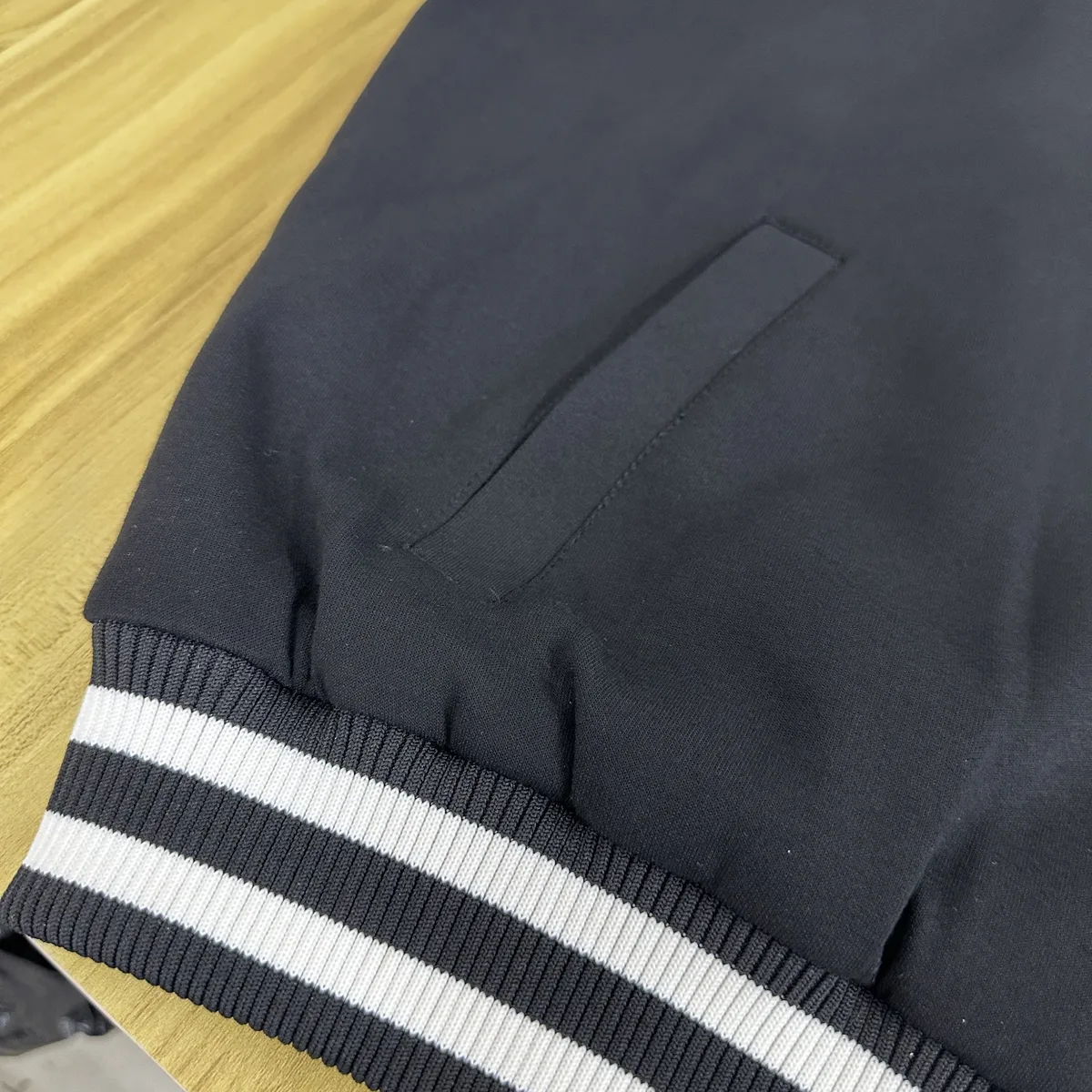
- Details such as pockets, hood, cuffs and closures.
- Your own artwork and its approximate position.
3. Understand what a tech pack actually does
A tech pack is a set of production instructions. It typically records the design, measurements, materials, construction, decoration and labels in one place. It helps everyone work from the same version.
If you do not have one, ask what development support is available, what you need to supply, what it costs and which files you will receive. An initial chat can start with photographs, but the agreed details still need to be recorded before production.
4. Describe the fabric in everyday language
If you do not know fabric names or GSM, explain the feel and use you have in mind: light for summer, substantial for a hoodie, soft against the skin or structured enough to hold a shape. A physical garment or fabric swatch can help.
GSM means grams per square metre: it describes fabric weight, not quality on its own. Ask to review suitable material options and confirm the fabric used for your sample.
5. Share quantity, budget and destination early
Tell the manufacturer roughly how many pieces you want per style and colour, which sizes you need and where the order will be sent. These details help determine whether the project is workable and what should be included in the quote.
MOQ means minimum order quantity. Ask whether it applies per style, colour or material. Custom fabrics and trims can have their own minimums; do not assume one number covers every option.
- Estimated quantity by style and colour.
- Sizes required, even if the final breakdown is pending.
- Target budget and desired delivery date.
- Delivery country and postcode.
6. Separate sample costs from the production quotation
Ask for a clear breakdown of development, sample making, decoration, custom trims and shipping where applicable. Confirm the currency, what is included, payment stages and whether any sample charge is refundable or credited towards a later order.
Ask when the schedule starts and which approvals or materials it depends on. A target delivery date should be discussed before you plan a launch around it.
7. Review a complete sample before approving production
Try on the sample where practical and compare it with the agreed brief. Check fit, fabric, stitching, decoration and labels. A photograph can help you discuss changes, but it cannot fully convey feel or fit.
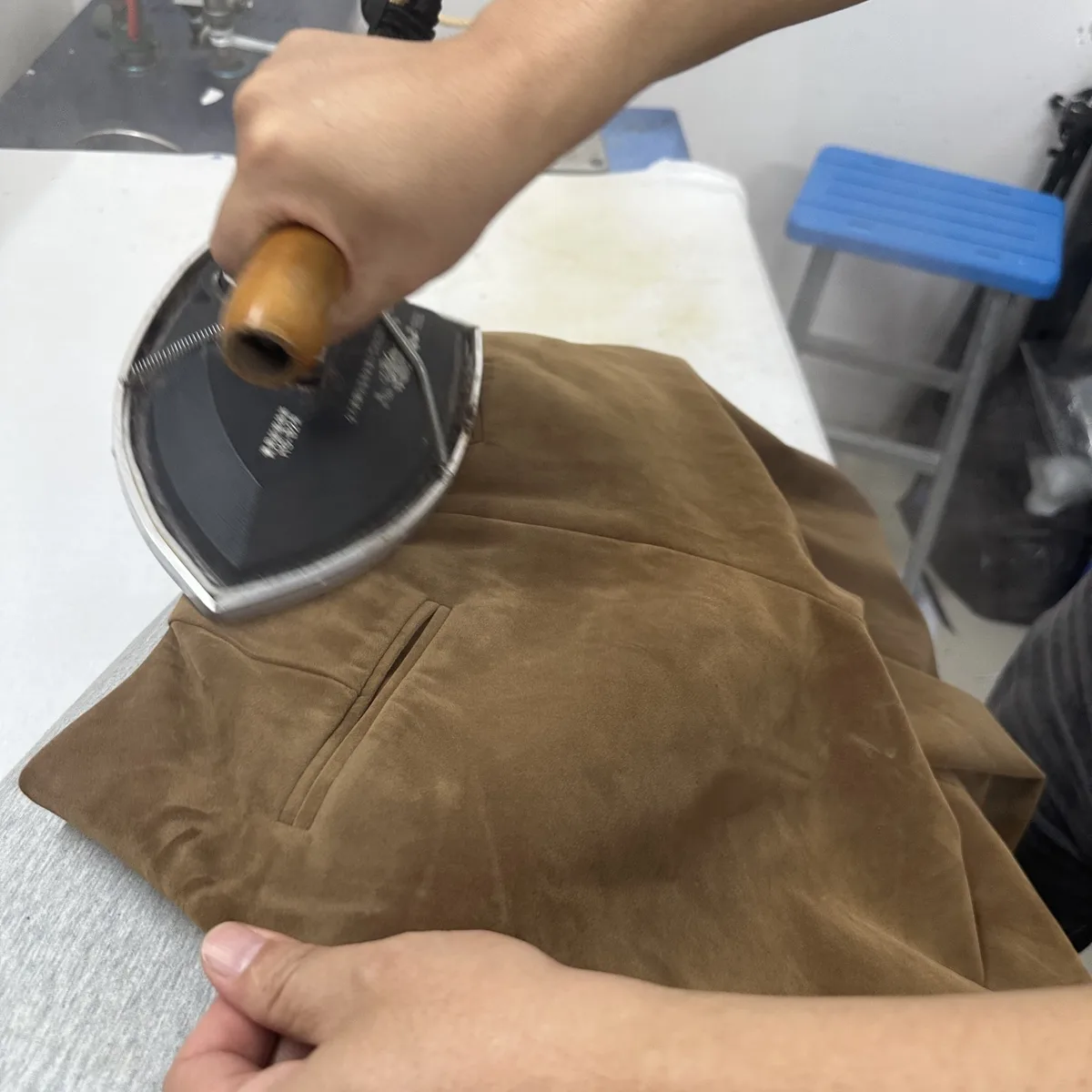
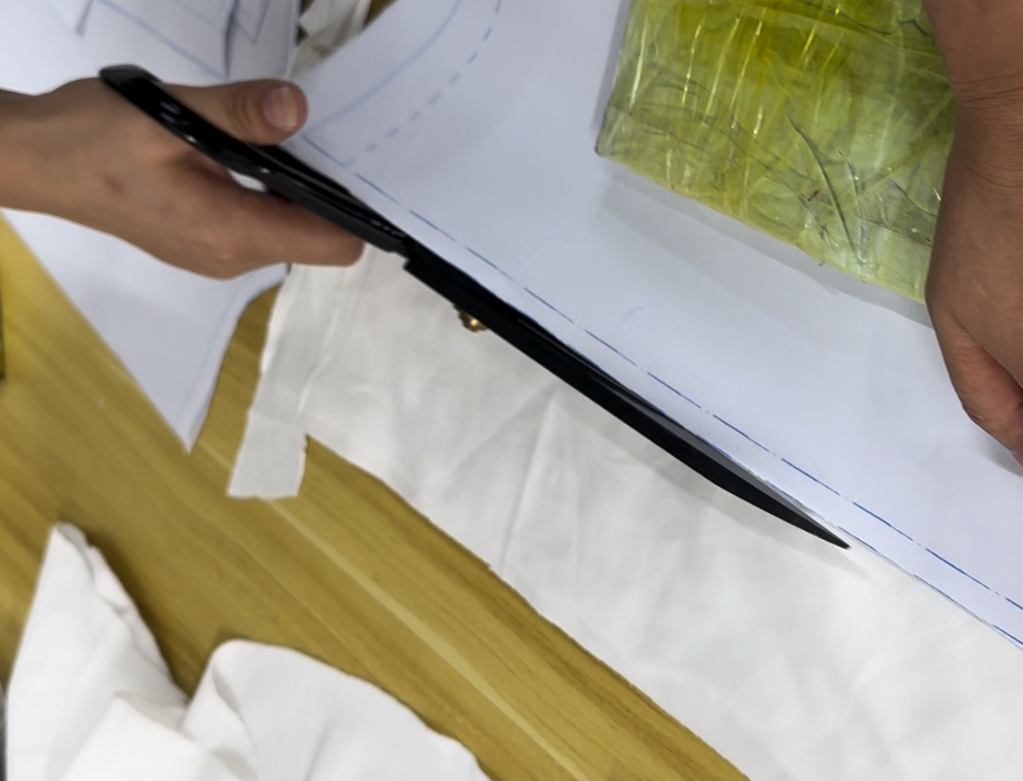
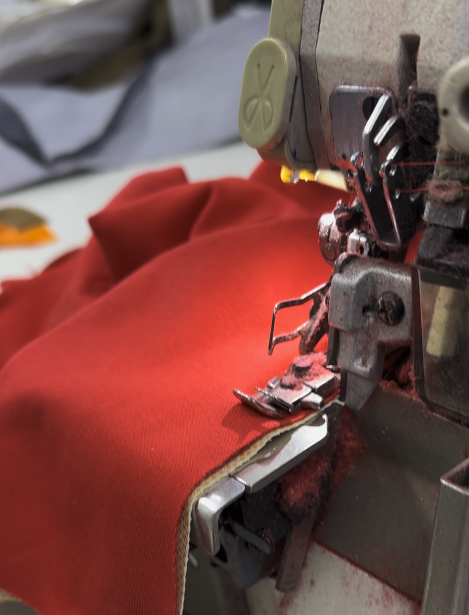
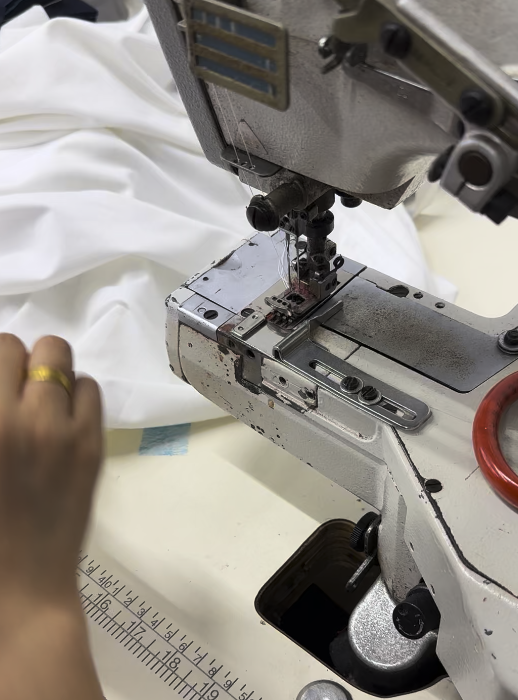
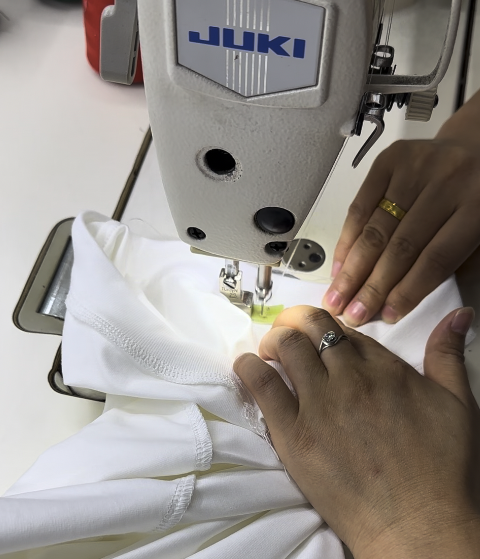
The workshop images show cutting and sewing operations. Your own finished sample is the reference for assessing the garment you plan to order.
- Photograph each requested change and mark its location.
- Include measurements rather than “a little shorter” where possible.
- Keep feedback in one document with a version or date.
- Confirm which details are approved and which remain open.
What if you want printing or a washed finish?
Send the artwork dimensions and placement, along with the garment colour and fabric direction. If you want a faded or washed appearance, provide a separate finish reference.
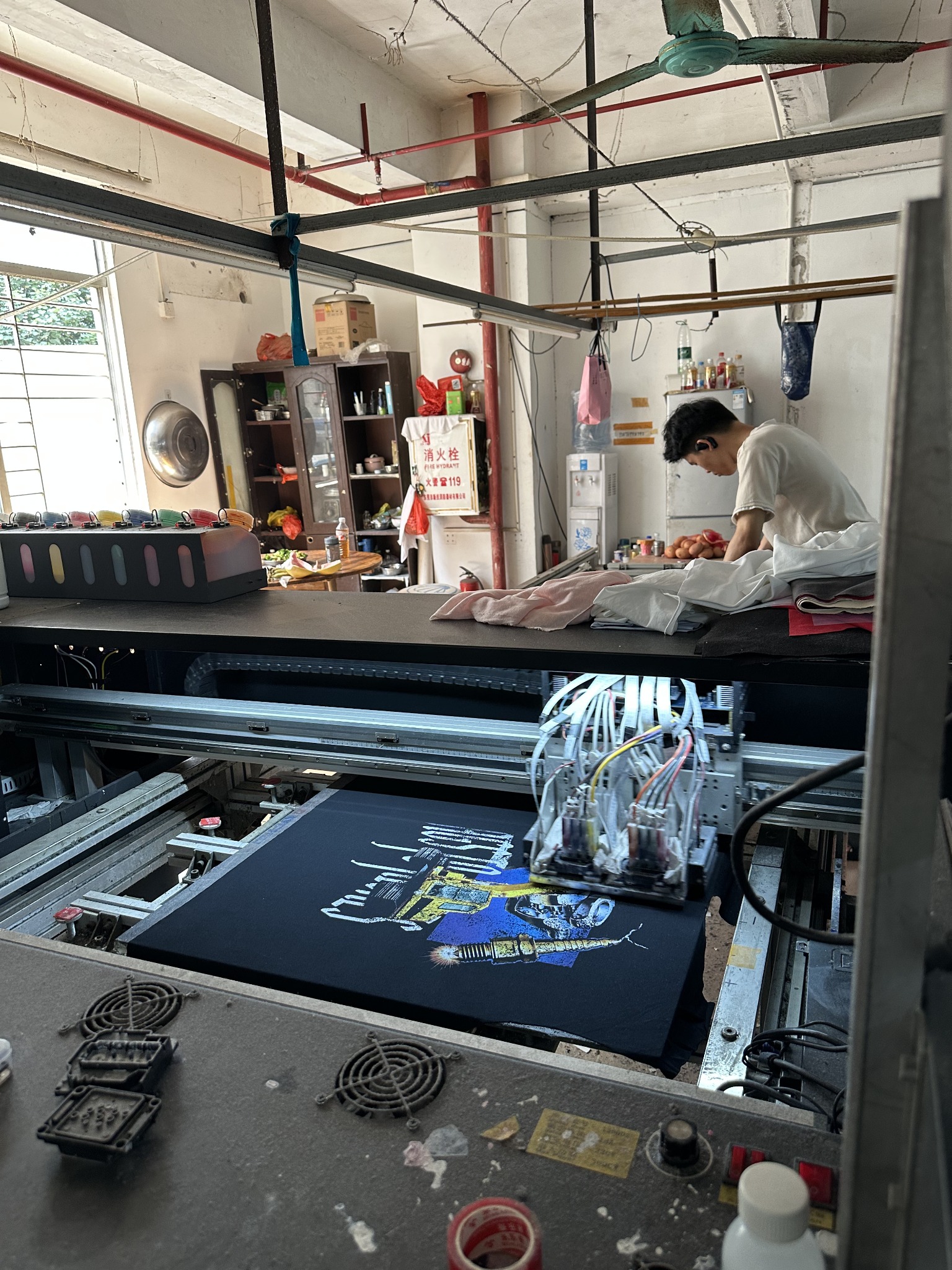
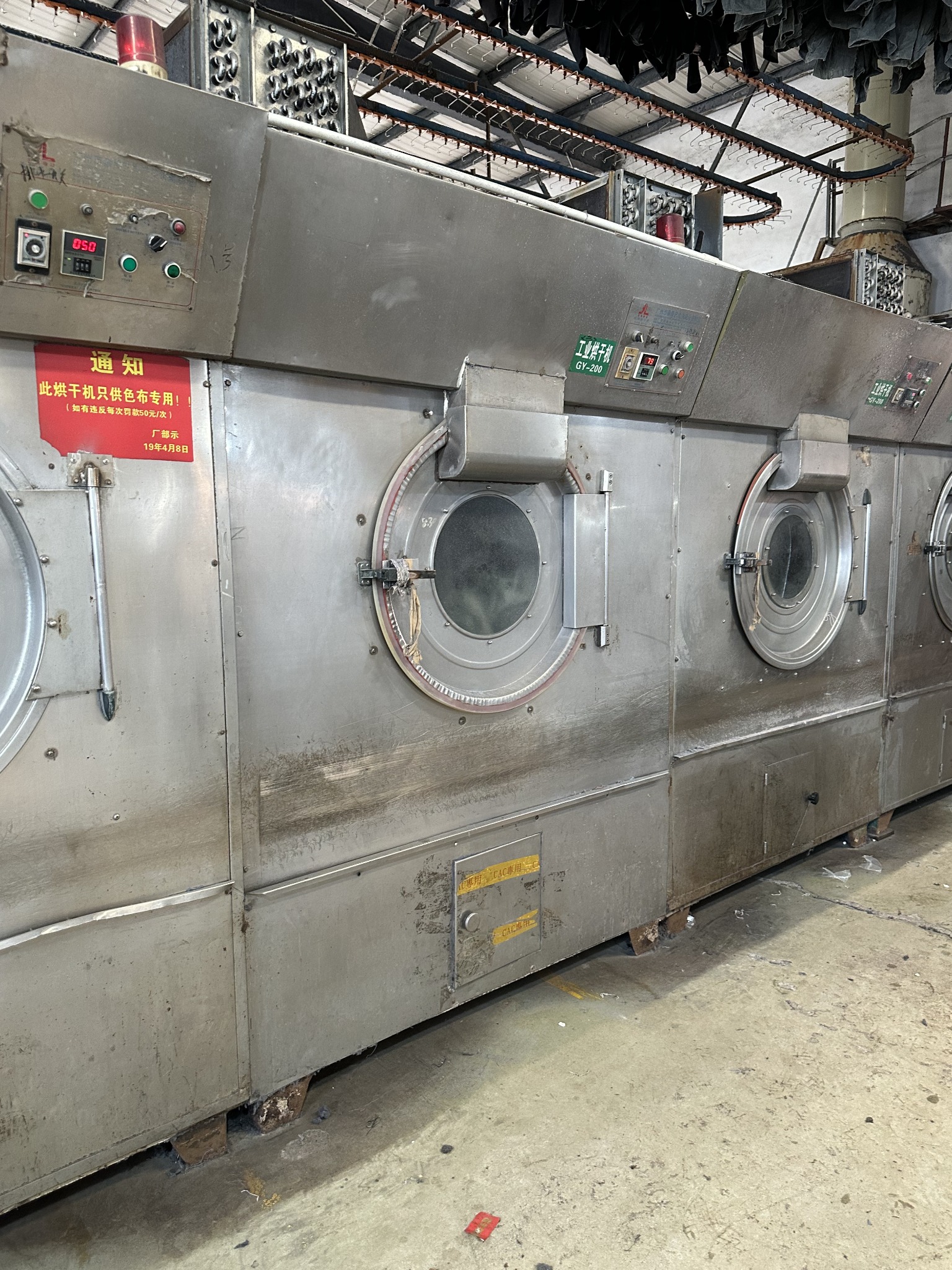
Ask which details need trials and review the decoration and finishing together on your sample. These photographs show printing and drying equipment; they do not specify the process or result for your own design.
Copy this message for your first enquiry
“Hi, I am developing my first clothing style. I have attached reference images and notes. I am looking for [garment type] with a [fit] fit, in approximately [quantity] pieces and [colours]. My delivery destination is [country]. I do not have a complete tech pack yet. Could you explain what information you need, the development and sample costs, minimum quantities and the next steps?”
Fill in what you know and mark the rest as undecided. Clear questions are more useful than trying to use technical terms you are unsure about.
Start your first project with YILI
Send your references and estimated quantity using the enquiry button below. Tell us whether you need help defining the fabric, fit or production details, and we can discuss the information needed to develop your sample.