The right factory is not simply the one with the lowest quote
Choosing a clothing manufacturer can feel confusing when you are starting a brand. Many factories can send a price, but a useful manufacturing partner should also ask about your product, fabric, fit, decoration, quantity and quality expectations.
Before paying for a sample, compare factories using the same questions. Clear answers will not remove every production risk, but they will help you understand whether a supplier has the relevant capability and a workable process for your order.
1. Do you regularly make this type of clothing?
A factory that mainly makes basic T-shirts may not be the right choice for a complex jacket, washed hoodie or garment with special construction. Describe your product and ask for relevant production examples, not only a general factory video.
Look closely at the construction shown in those examples. Similar style, fabric and finishing experience is more useful than an unrelated product that simply looks impressive.
2. Can the factory help you define the fabric?
Do not rely on descriptions such as “high quality cotton” or a GSM number alone. Ask about composition, fabric construction, weight, stretch, surface, interior and the way the finished garment should feel.
If you are unsure, send a physical reference or explain the intended result in plain language. A reliable discussion should connect the fabric to the fit, sewing, decoration and finishing—not treat it as a separate decision.
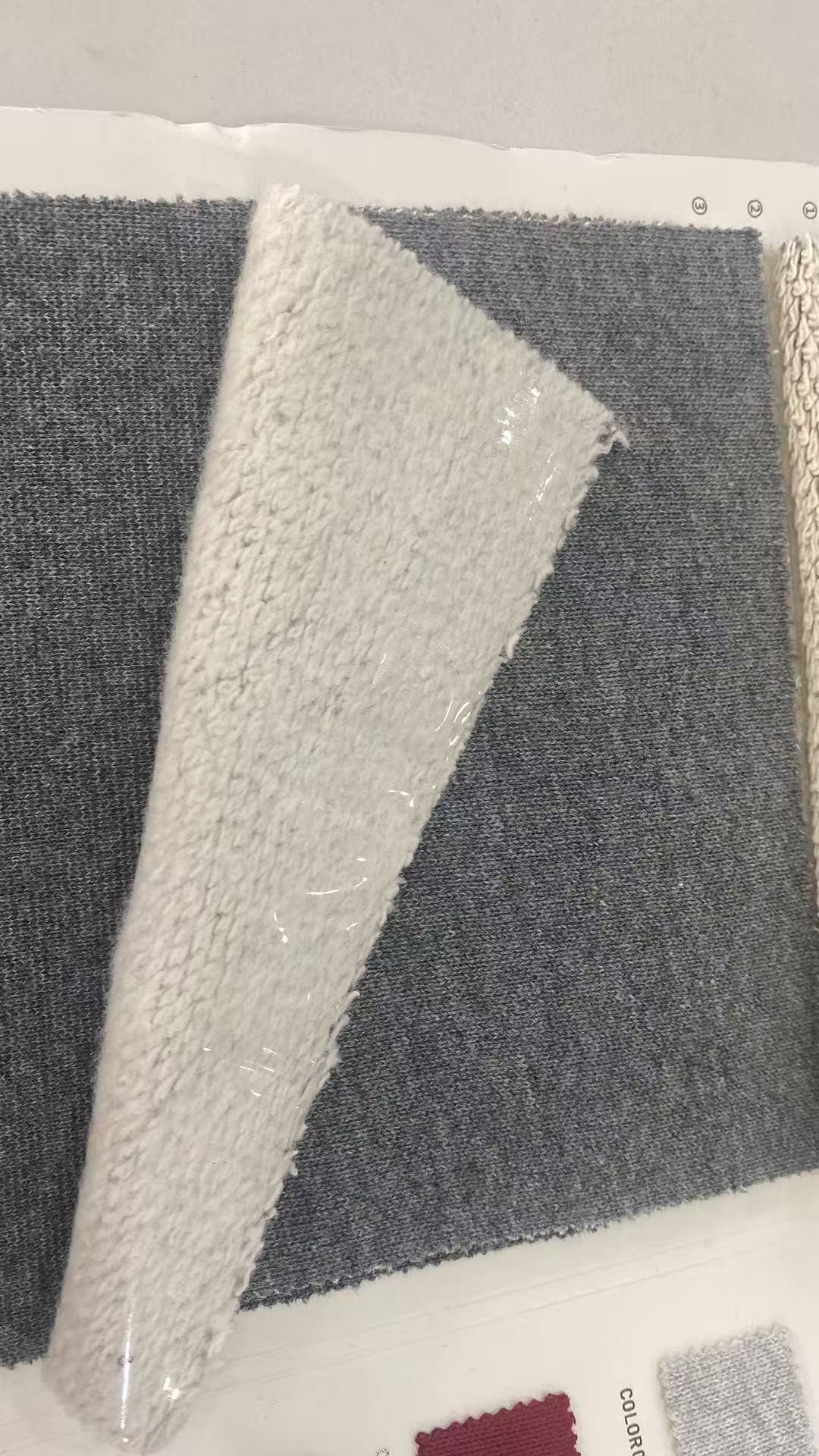
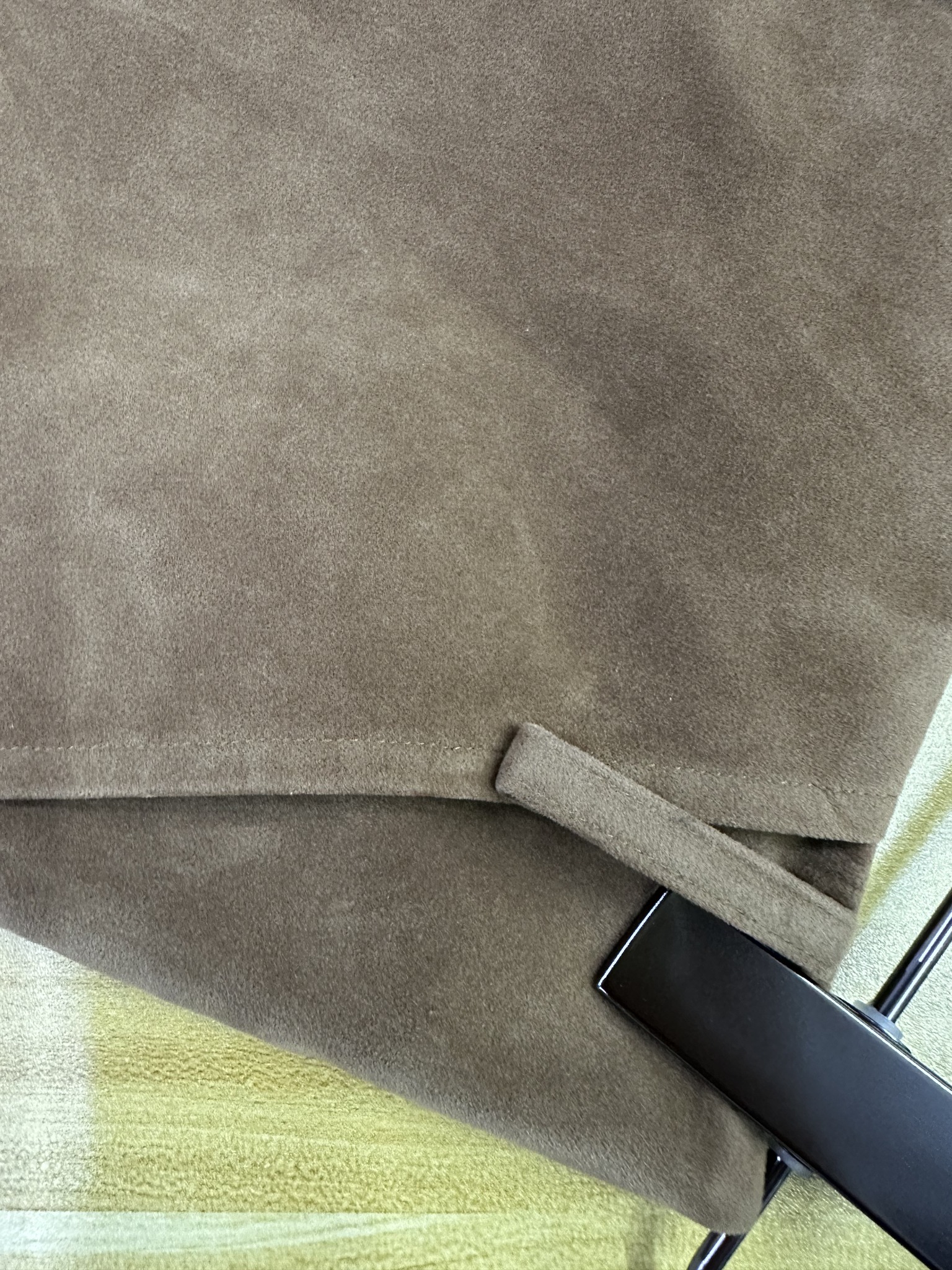
- Composition and fabric construction.
- Target weight or a physical reference.
- Required hand feel, stretch and drape.
- Whether the swatch is shown before or after washing.
3. How does the MOQ apply to your order?
Ask whether the minimum order quantity applies per style, colour, fabric or decoration. A factory may accept 50 pieces for one style but require a different minimum when the order is divided into several colours or uses custom-dyed fabric and trims.
Share your planned quantity by style, colour and size. This gives the factory enough information to explain what is workable and prevents a vague minimum from changing later.
4. What is included in the quotation?
A low unit price is not useful if important items are missing. Ask whether the quote includes fabric, sewing, printing or embroidery, washing, labels, packaging, sample development, custom trims, tax and shipping.
Confirm the currency, payment stages and how price may change after the sample or final quantity is approved. Compare equivalent quotations instead of comparing only the largest number on each document.
5. What happens during sample development?
Ask what information is required before sampling, how many revisions are included and what must be approved before production. If you do not have a complete tech pack, confirm whether the factory can help organise measurements, construction notes and material details.
Review the complete sample for fit, measurements, fabric, stitching, decoration, labels and finishing. Keep all requested changes in one dated document so both sides know which version is current.
6. Can the factory reproduce special finishing details?
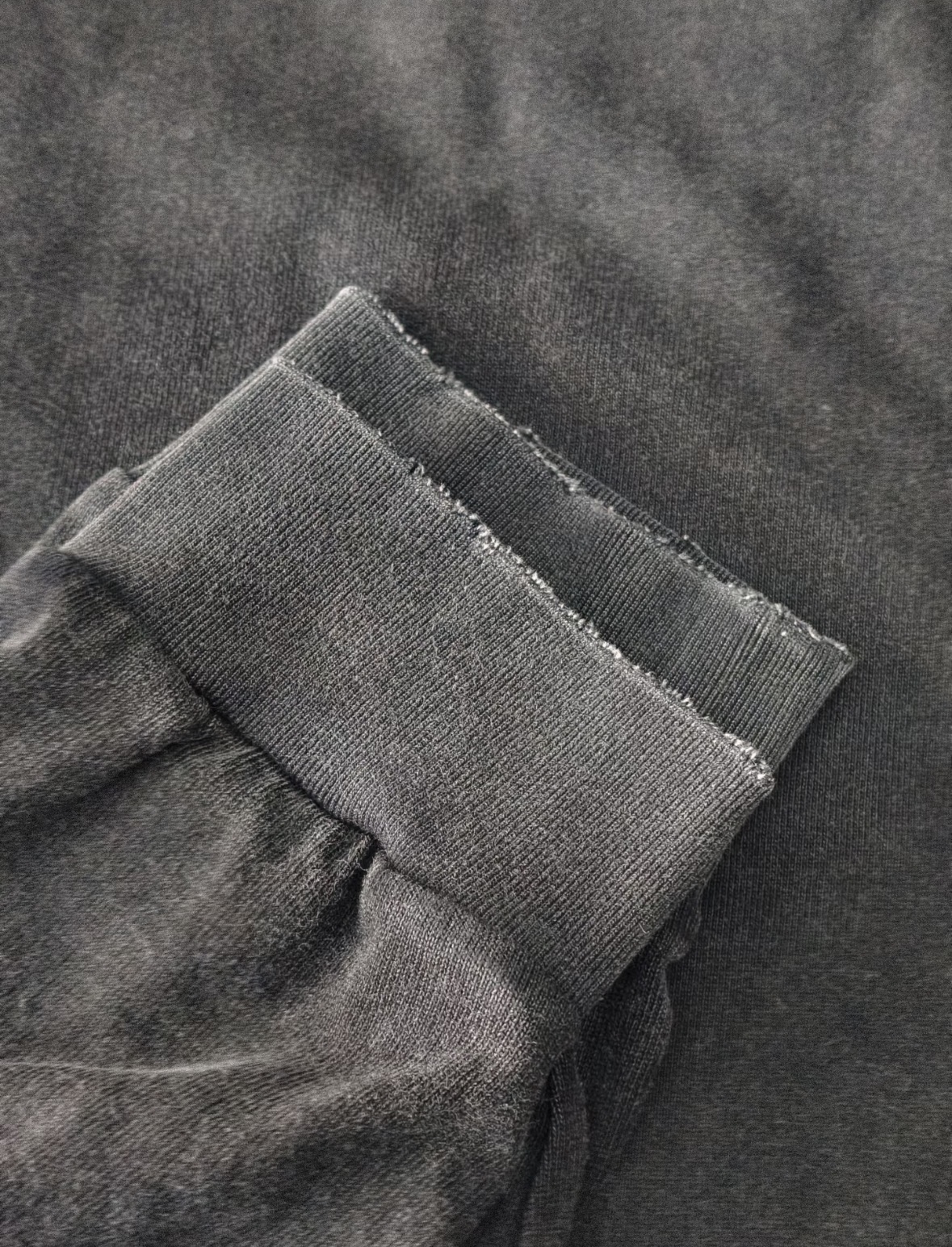
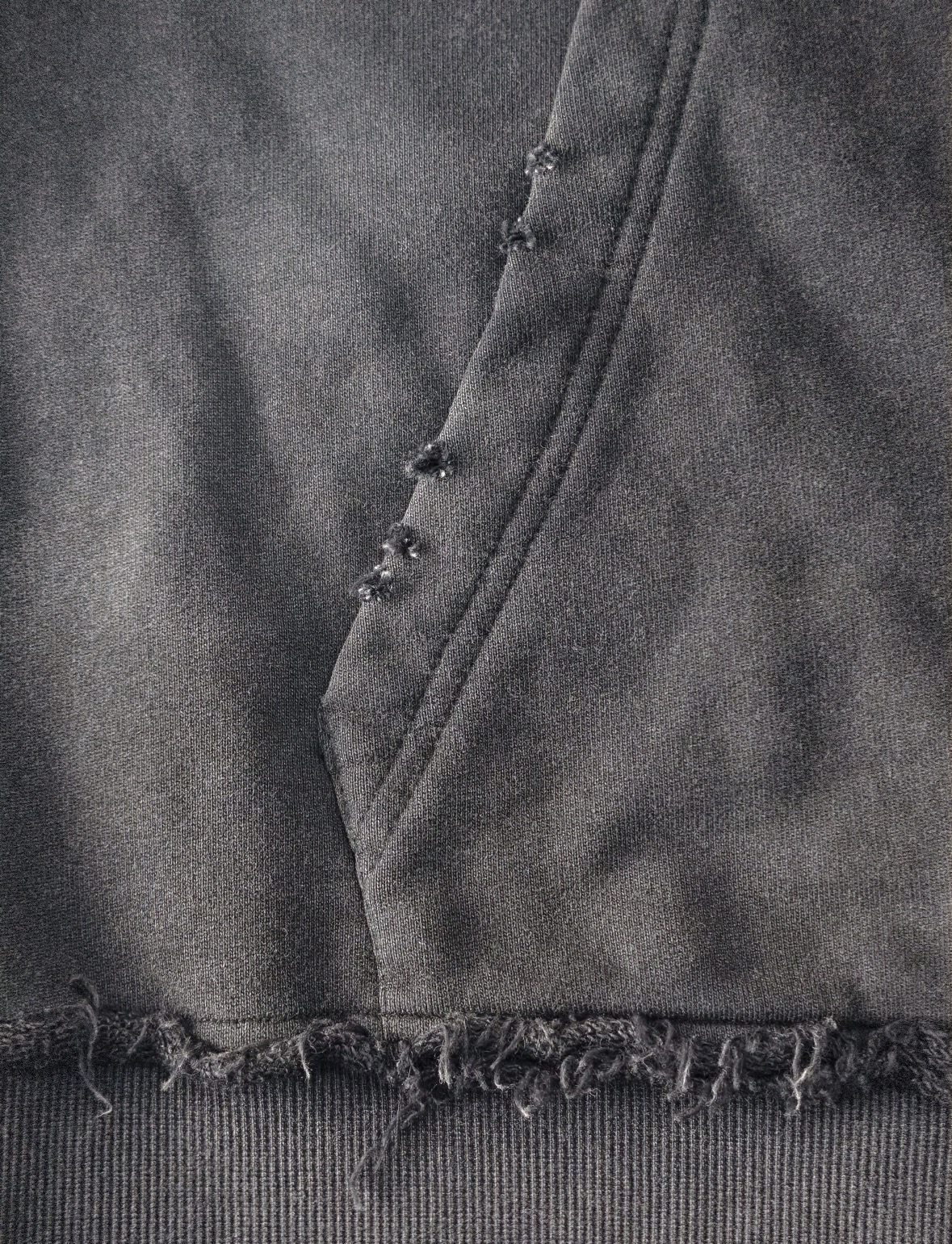
Washed, faded, distressed and raw-edge effects need more explanation than a style name. Send close-up references and identify which areas should look worn, how much colour variation you expect and which details must remain stable.
Approve the finish on the intended fabric and complete garment. Ask how finished measurements will be checked after the planned processing.
7. How will quality be checked before shipment?
Ask which approved sample and specification will be used as the production reference. Confirm what the factory checks during sewing, after finishing and before packing, and how a repeated problem will be reported and corrected.
Quality control should cover more than the outside appearance. Measurements, seams, decoration, trims, labels, colour and packing requirements should all be connected to an agreed reference.
- Approved sample and measurement sheet.
- In-process checkpoints for critical details.
- Final inspection scope and defect handling.
- Quantity, size, labels and packing verification.
8. Is the production schedule realistic?
Ask when the schedule begins and what it depends on. Fabric availability, custom trims, sample approval, washing trials and decoration can all affect timing. Shipping time should be discussed separately from production time.
A very fast promise is not automatically better. Ask for the major milestones and agree when you will receive updates, especially if your launch date is fixed.
9. Is communication clear before you pay?
Notice whether the factory answers your actual questions, records decisions and flags unclear information. Good communication does not mean instant agreement with every request; sometimes the most useful response is an explanation of a limitation and a practical alternative.
Keep important approvals in writing. Use style codes, labelled photographs and dated files rather than relying on scattered chat messages.
10. Can the factory support delivery to your market?
Share the destination country and postcode when requesting a quote. Ask whether shipping is included, which delivery terms apply, who handles duties and taxes, and what documents will be provided.
Confirm packaging and carton requirements before shipment. If you use your own freight forwarder, clarify where the factory's responsibility ends and which information the forwarder needs.
Common red flags for first-time buyers
Be cautious when a supplier gives a final price without asking about fabric, quantity or construction; refuses to define what is included; pressures you into bulk production before a sample is approved; or cannot explain how changes and quality issues will be recorded.
One warning sign does not prove that a factory is unsuitable, but unanswered questions should be resolved before you send a large payment or commit to a launch date.
- The quote is unusually low but has no specification or breakdown.
- The factory agrees to every request without discussing feasibility.
- There is no clear sample, approval or revision process.
- You cannot identify the legal company or payment recipient.
- Production begins while important details are still undecided.
Copy these questions for your first factory enquiry
“Hi, I am looking for a clothing manufacturer for my brand. I plan to make [product] in approximately [quantity] pieces and [colours], delivered to [country/postcode]. Could you confirm whether you make similar products, how your MOQ applies, what information you need for sampling, what the quotation includes, the expected sample and production schedule, and how quality is checked before shipment?”
If you are comparing manufacturers, send the same brief to each one. The quality of the answers will tell you more than a price sent without questions.
Discuss your project with YILI
Send YILI your design references, estimated quantity, fabric direction and delivery destination. We can help identify the details that need to be confirmed before sampling and provide a clearer route from your idea to production.