What actually happens inside a clothing factory?
When a small brand requests a quote, it is easy to focus only on the final unit price. But a finished garment is the result of many connected decisions: the pattern, fabric, decoration, sewing, finishing and quality checks all affect the final product.
Understanding the production process helps you ask better questions, prepare a clearer brief and avoid surprises between the first sample and bulk production.
1. Product requirements and pattern development
The process starts with your product idea, reference images, measurements, artwork and target quantity. The factory turns those requirements into a workable pattern and sample plan.
For a small brand, this stage is important because a pattern can look correct on a drawing but fit differently after the fabric, rib and construction are confirmed. YILI can review the proportions and development direction before making a physical sample.
2. Fabric selection, inspection and cutting
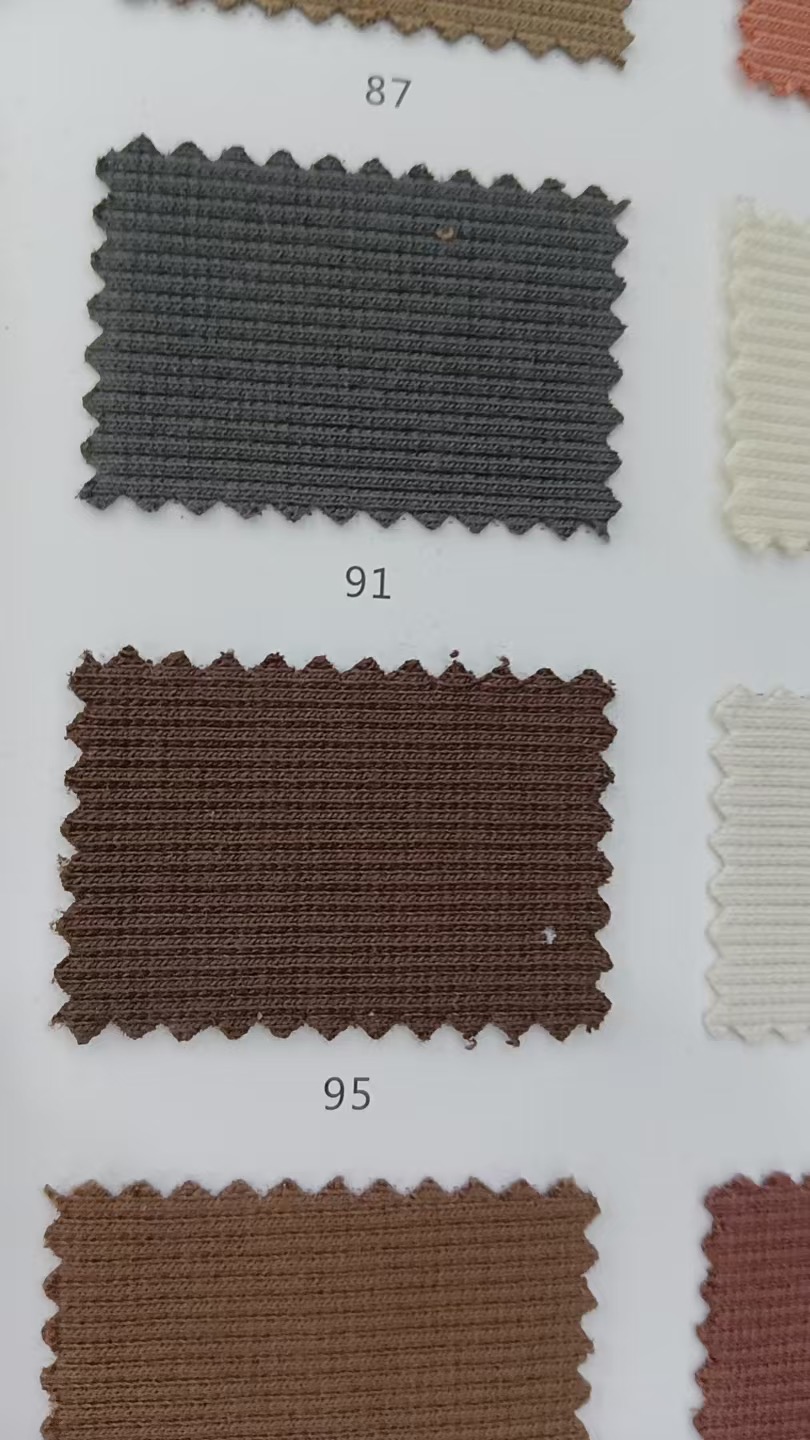
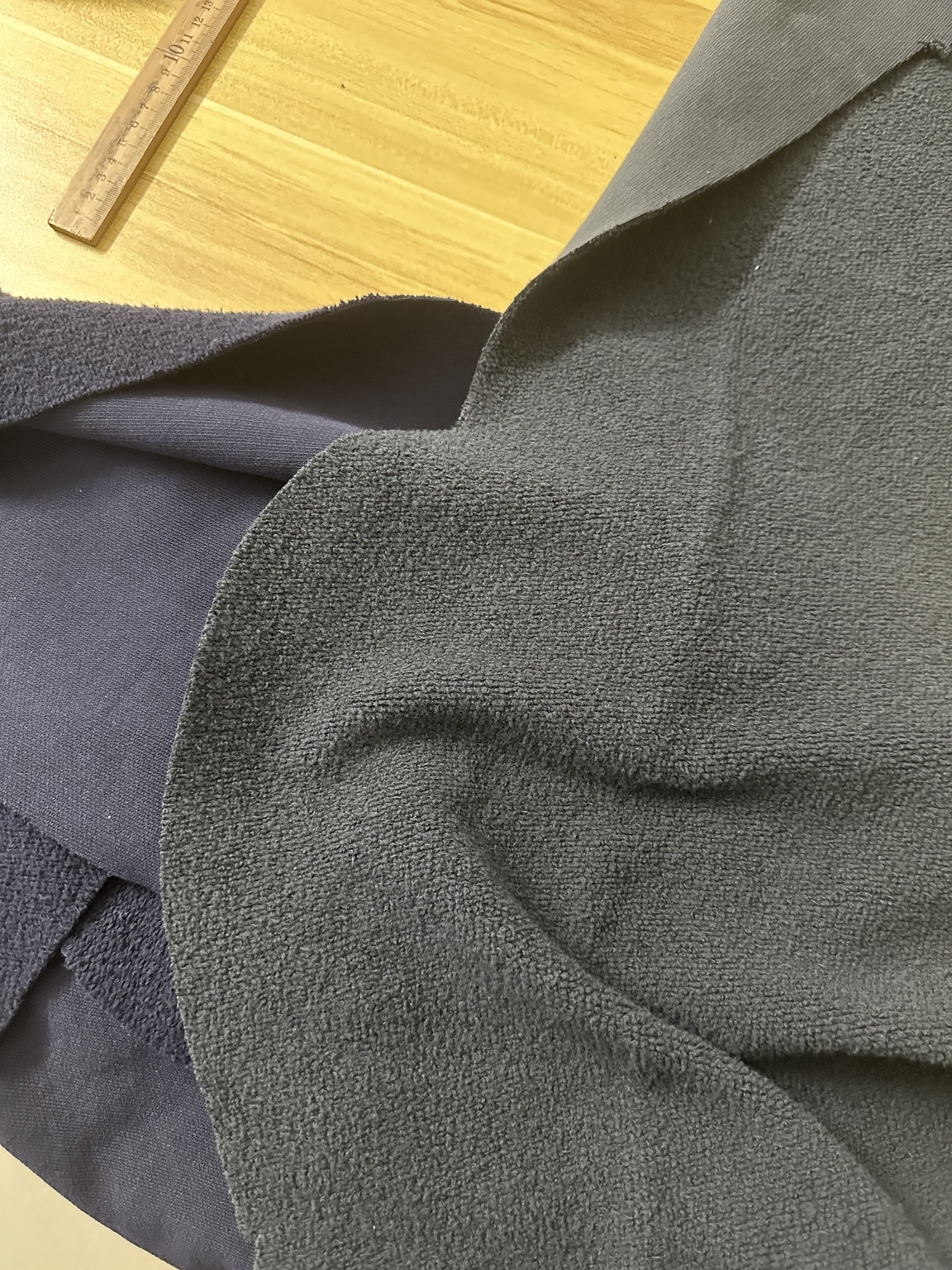
Fabric affects fit, weight, hand feel, shrinkage and how the garment accepts printing or washing. Before cutting, the material should be reviewed against the approved direction instead of relying on a colour name alone.
The factory then lays and cuts the fabric according to the pattern. Accurate cutting is the foundation for consistent measurements across the size range.
3. Printing, embroidery and other decoration
Decoration is usually planned before the main sewing is completed. The method may be screen printing, digital printing, heat transfer, embroidery, appliqué or another finish.
Small brands should confirm artwork size, position, colour, hand feel and durability on the actual fabric. A graphic that looks correct on a screen may need adjustment after printing or washing.
4. Main sewing and detail construction
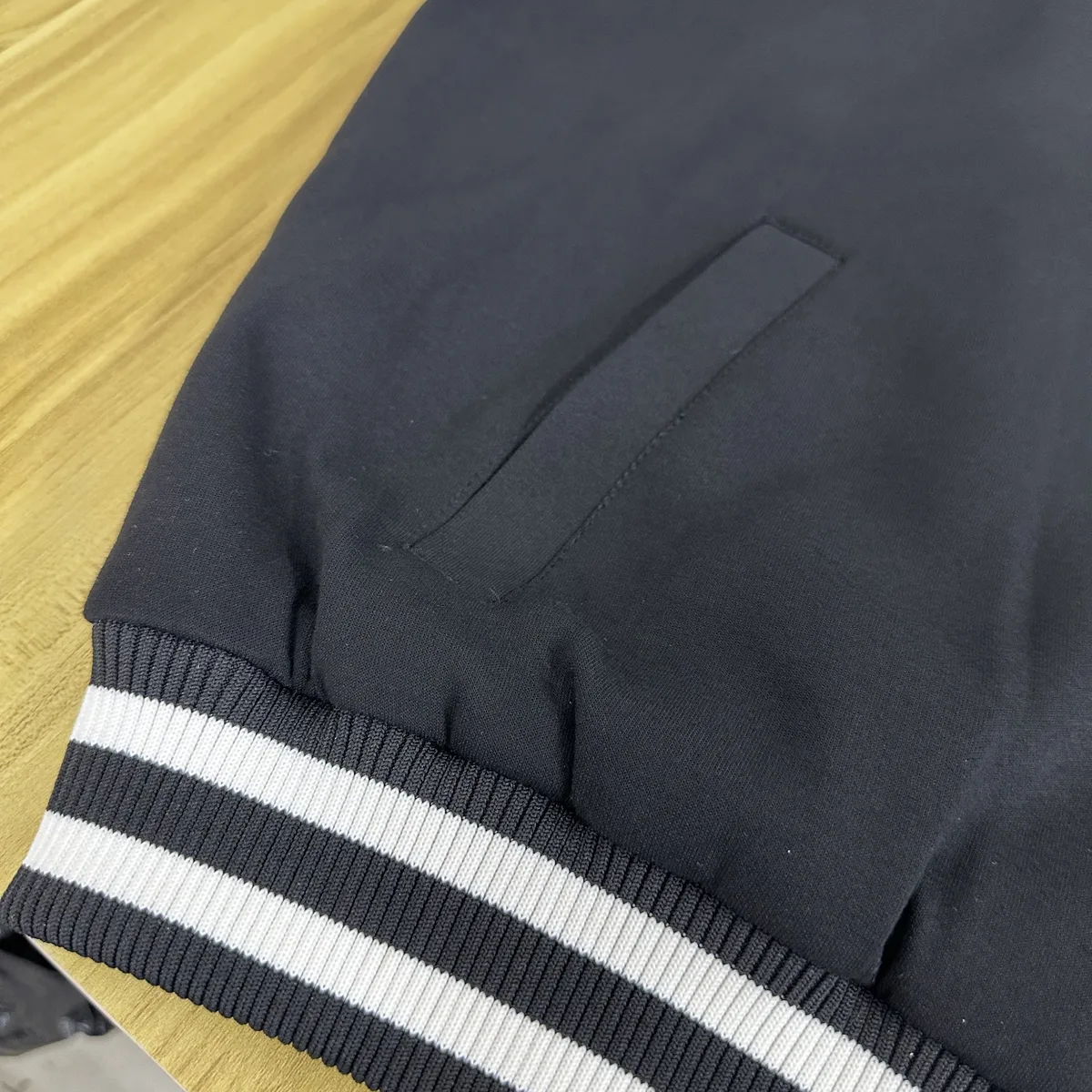
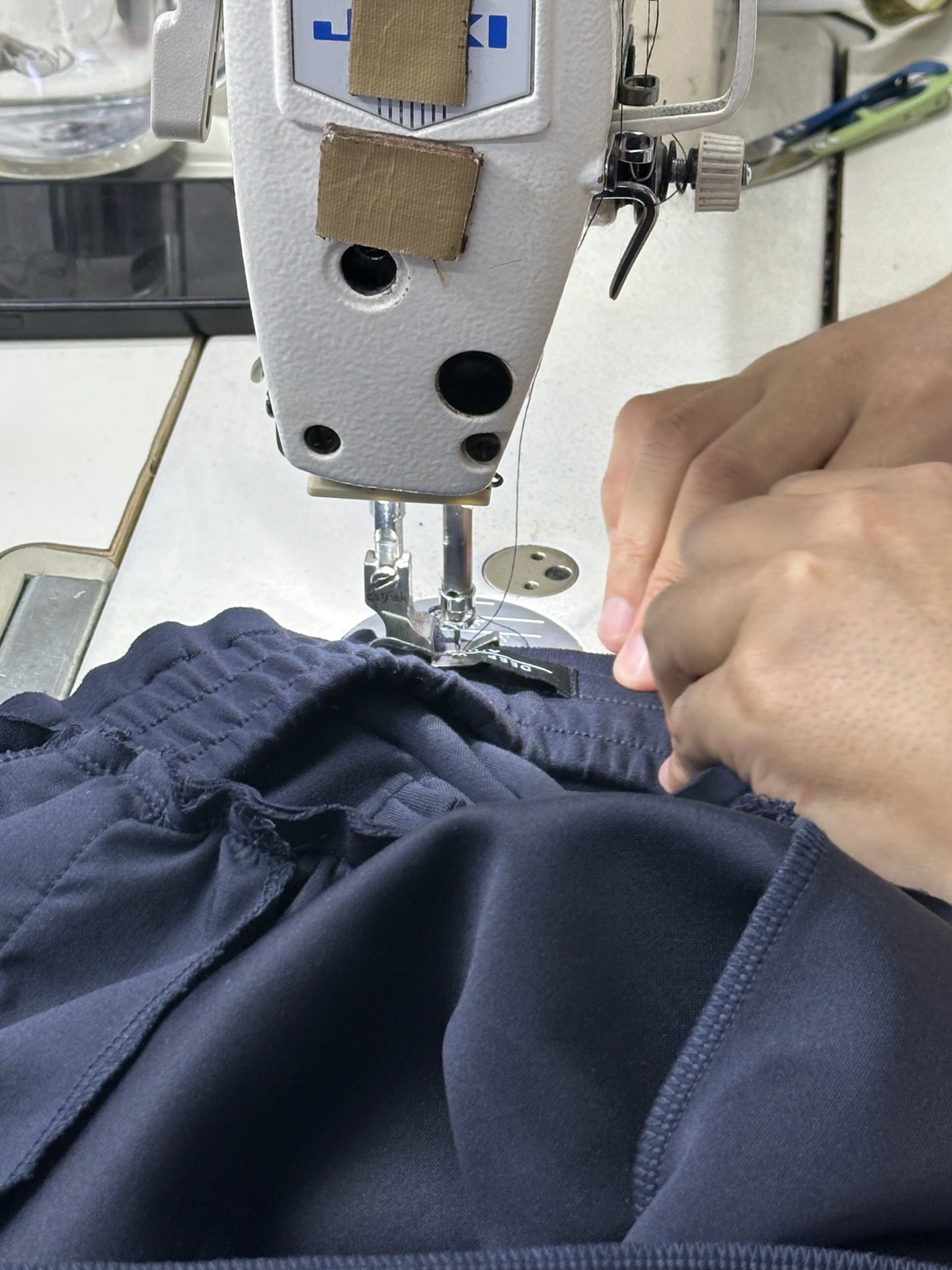
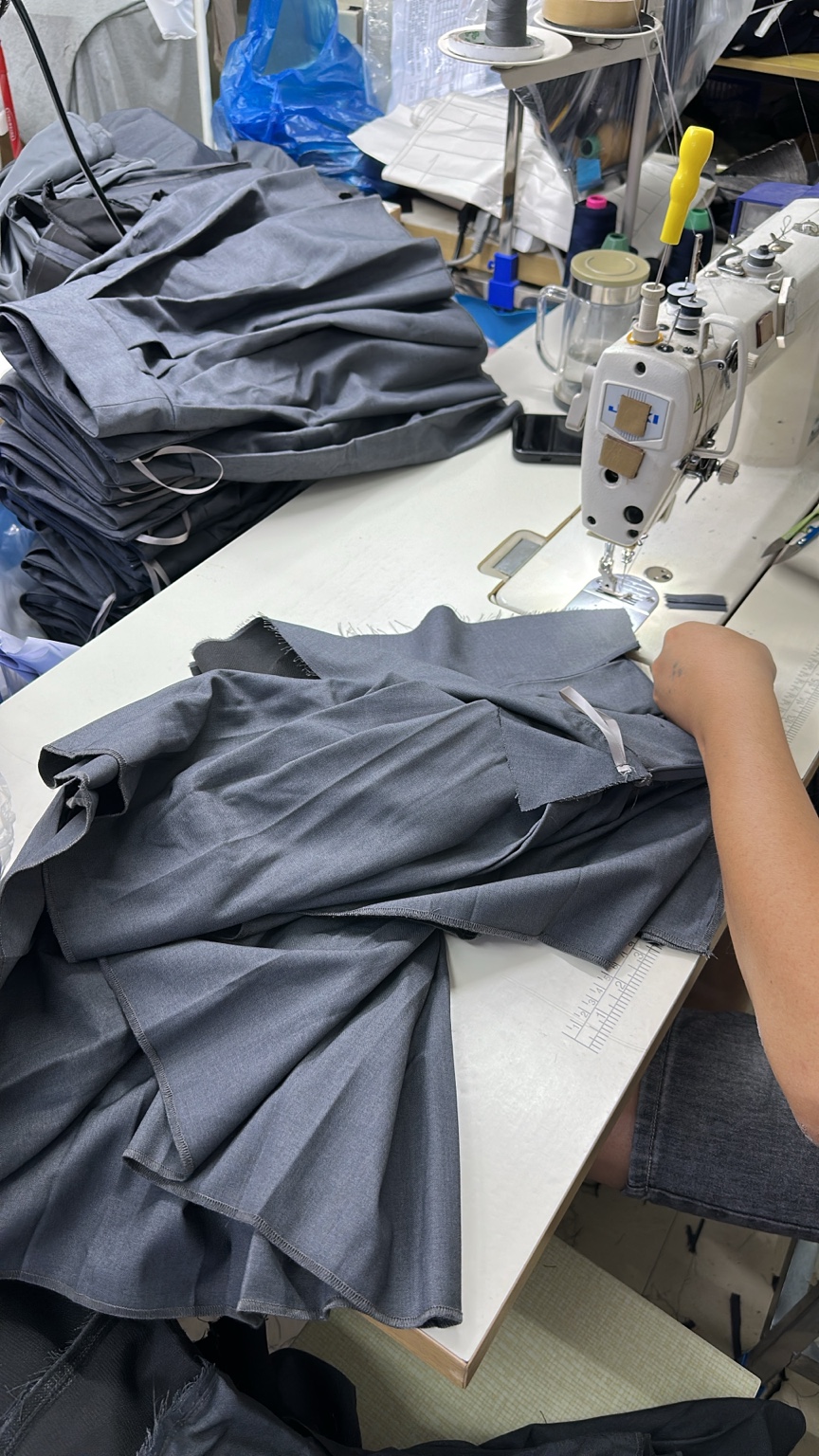
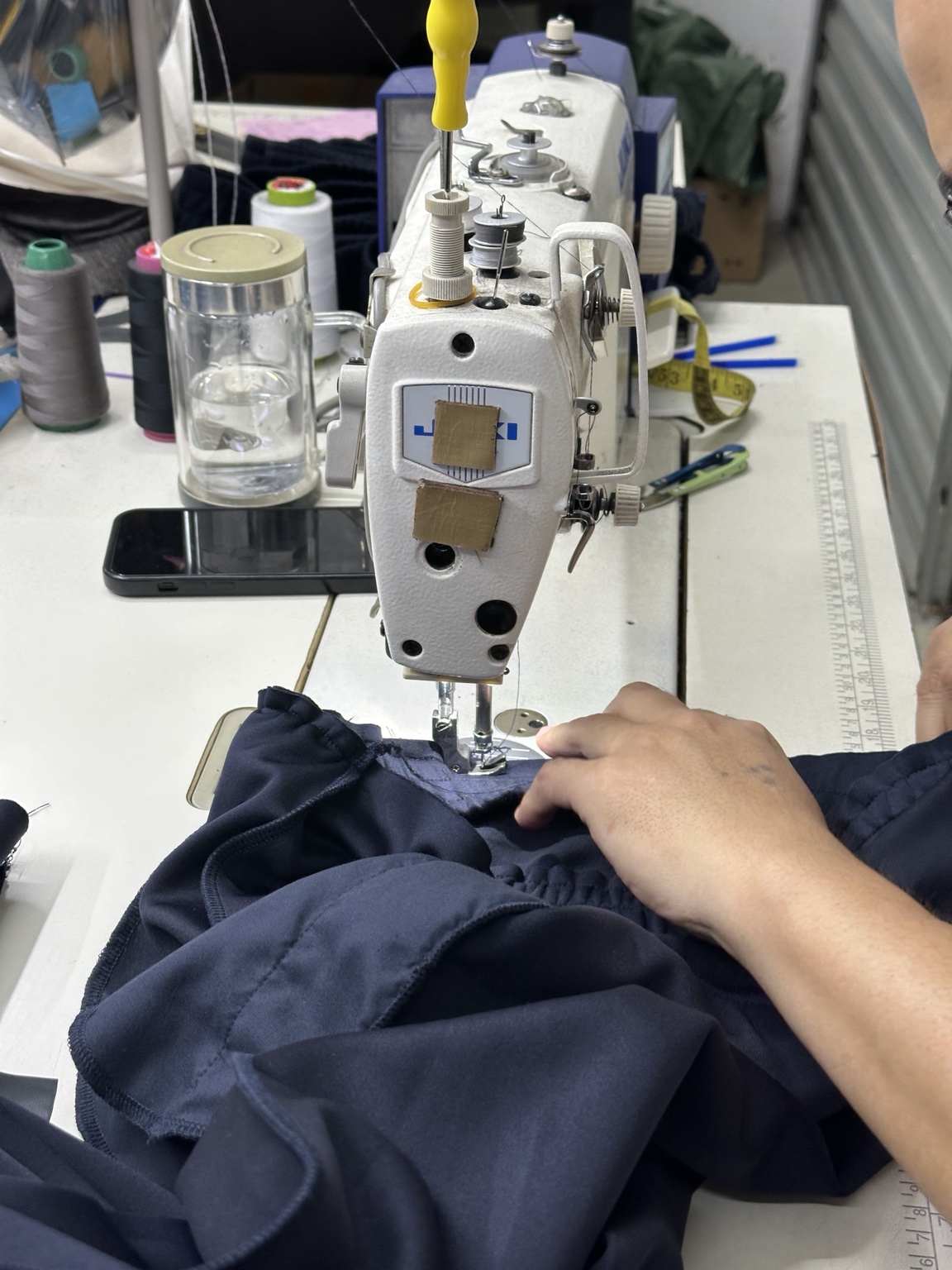
Cut panels are assembled through a sequence of operations: shoulder and side seams, sleeves, hood or collar, cuffs, waistband, pockets, labels and other details. Different operations require different machines and handling methods.
5. Washing, finishing and pressing
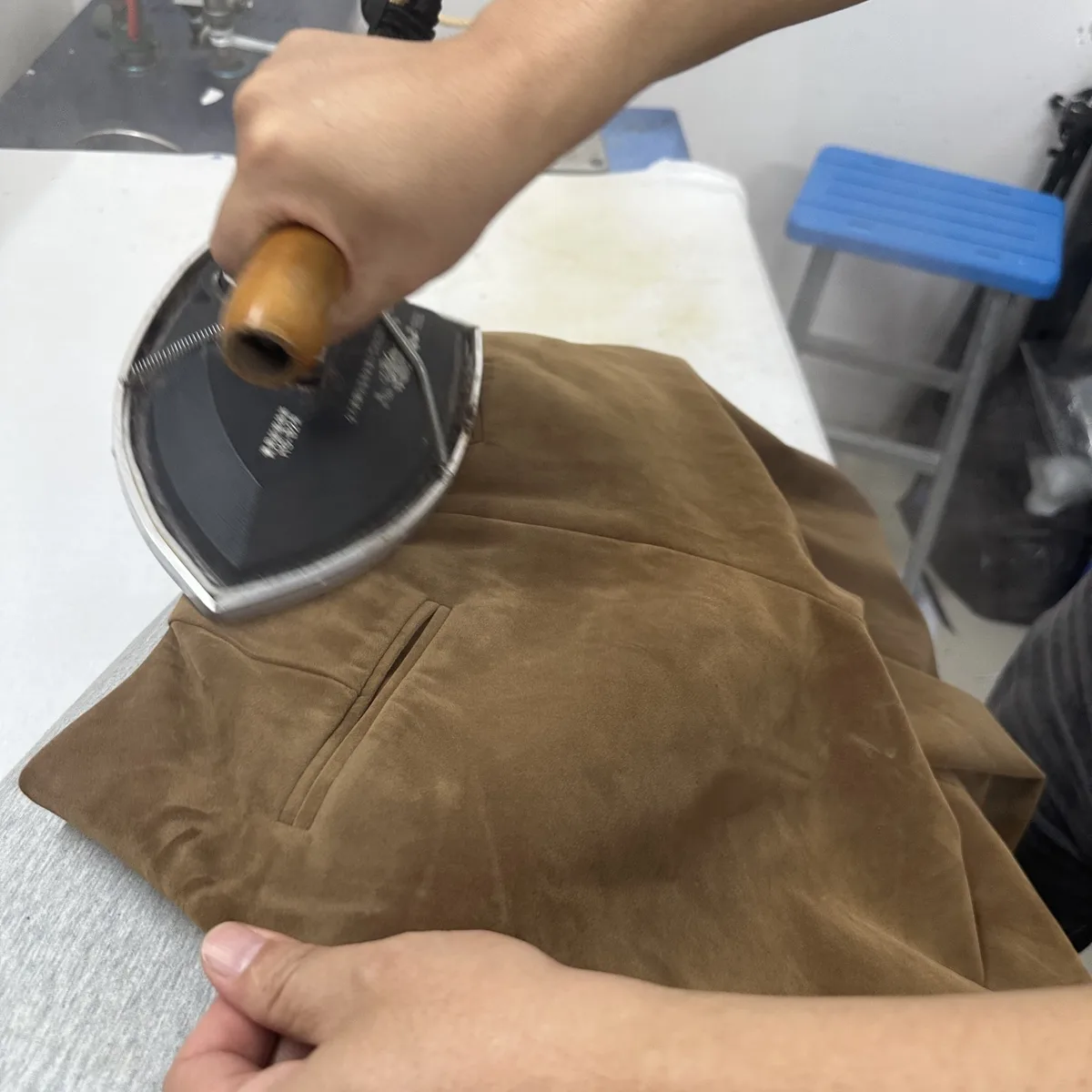
Garment washing can change colour, softness, surface character and measurements. If a washed or vintage effect is part of your design, the wash direction should be confirmed on a sample before bulk production.
Finishing may include thread trimming, label checking, pressing, folding and removing small construction marks. These details are not decoration after the fact—they influence how the product feels when a customer opens the package.
6. Quality control before packing
Quality control should not be left until the carton is ready. A practical inspection checks measurements, stitching, fabric defects, decoration placement, labels, trims, finishing and packing.
For small brands, the approved sample is the most useful reference. Before bulk production, confirm measurement tolerance, colour standard, artwork placement and what happens if an item does not meet the agreed requirement.
7. Packing and shipment
After inspection, garments are folded, packed and prepared for shipment. Confirm whether custom labels, hangtags, bags or other packaging are included in the quotation, and make sure the shipping destination is part of the production plan.
A clear packing list and final quantity check help reduce mistakes when the order leaves the factory.
How long does clothing production take?
Timelines depend on the style, materials, decoration and order size. YILI’s typical sample development is about 5–7 working days after the product details and materials are confirmed. Typical bulk production is about 15–20 days after sample approval and material confirmation.
These estimates can change when a project includes special fabric, custom trims, multiple wash tests, complex embroidery or several revisions. A reliable factory explains what the schedule depends on instead of giving an unrealistic fixed date.
What should a small brand prepare?
You do not need to know every technical term before contacting a factory. A useful manufacturing partner should help identify missing details and show you what needs to be approved before sampling.
- Product type and reference images.
- Target quantity by style and colour.
- Preferred fabric weight, composition or physical reference.
- Logo, artwork and decoration direction.
- Important measurements or fit references.
- Delivery country and postcode.
Why work with YILI?
YILI connects development, material discussion, sampling, decoration, sewing, finishing and quality control in one workflow for independent brands and small-batch projects. Our focus is not simply to make a garment; it is to make the process easier to understand and the approved result easier to repeat.
Send your product references, target quantity and delivery country to discuss your project on WhatsApp ↗ or email yee@yiliclothing.com .
- MOQ from 50 pieces per style, depending on fabric, colour and decoration.
- 3D development available before physical sampling.
- Custom printing, embroidery, washing, labels and packaging.
- Typical samples in 5–7 working days after confirmation.
- Production updates and quality checks before shipment.