Choosing a clothing manufacturer is a business decision, not just a price comparison
If you are starting a small clothing brand, finding a factory can feel harder than designing the product. Search results are full of suppliers, but a low quote does not tell you whether the factory understands your fit, fabric, quantity, decoration or quality standard.
The safest approach is to ask the same practical questions to every manufacturer. Their answers reveal whether they can help you move from an idea to a repeatable product.
1. Does the factory make products like yours?
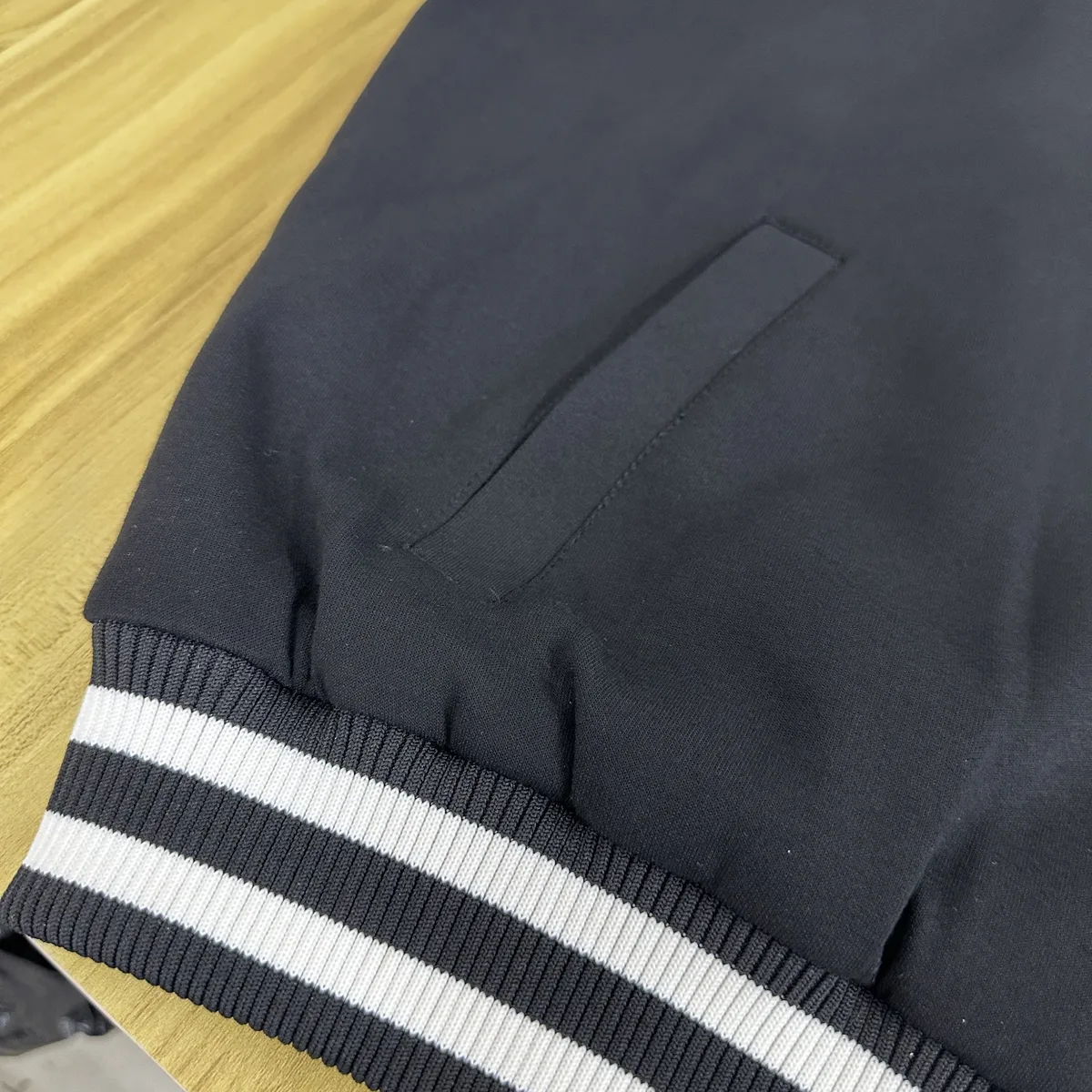
Ask for examples that are close to your product—not only a general factory video. A washed hoodie, heavyweight streetwear sweatshirt and technical jacket each need different construction knowledge.
Send reference photos and explain the details that matter: oversized fit, seam shape, rib, pocket construction, wash effect or special finishing. A good factory will ask follow-up questions instead of promising everything immediately.
2. What is the MOQ for each style and colour?
MOQ means minimum order quantity, but factories do not always calculate it the same way. Ask whether the minimum applies per style, colour, fabric, size run or decoration method. A small brand may be able to order 50 pieces of one style, but a custom-dyed fabric or several colourways can change the minimum.
Share your planned quantity by style and colour. YILI can discuss a practical small-batch route from around 50 pieces per style, depending on fabric, colour and decoration.
3. Can the factory help you choose the right fabric?
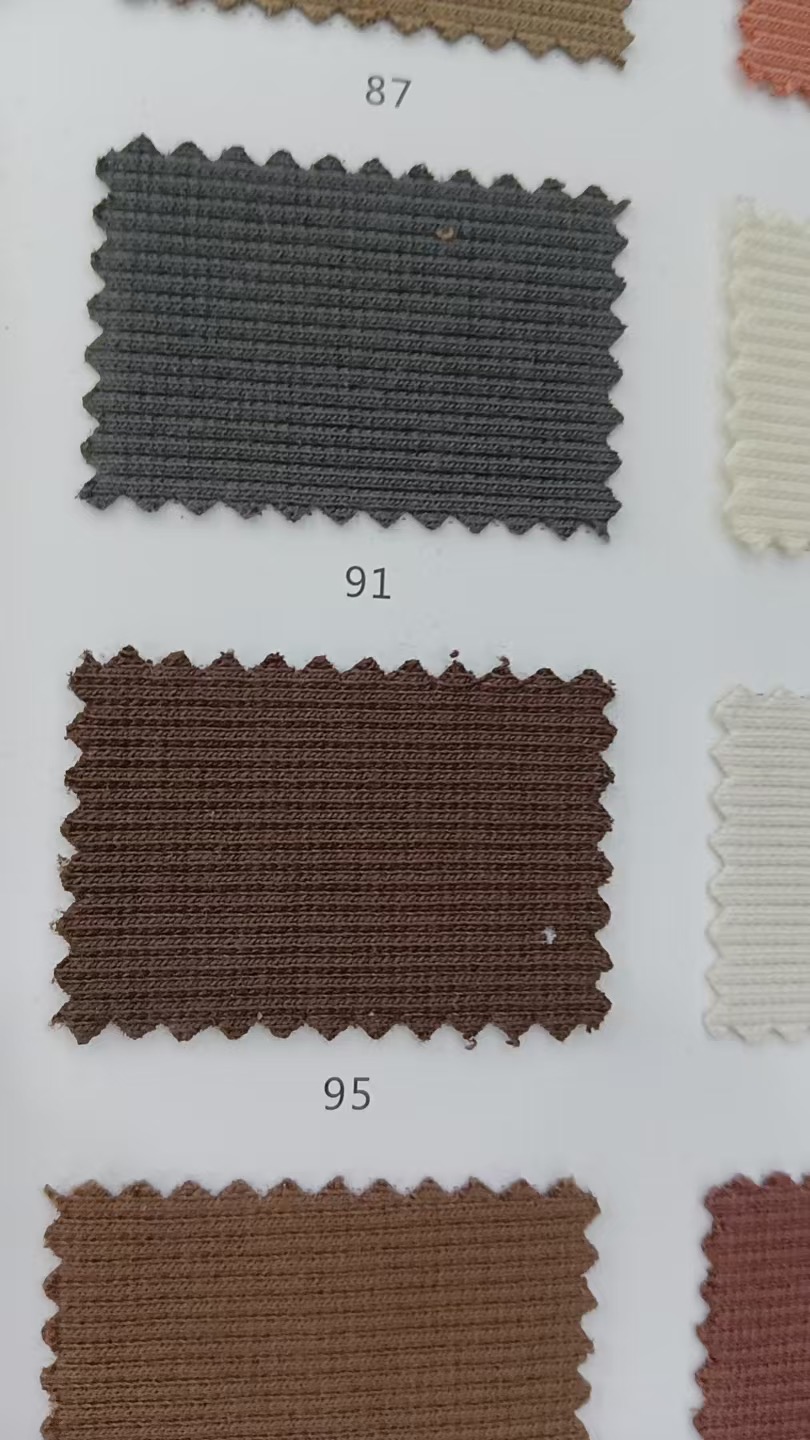
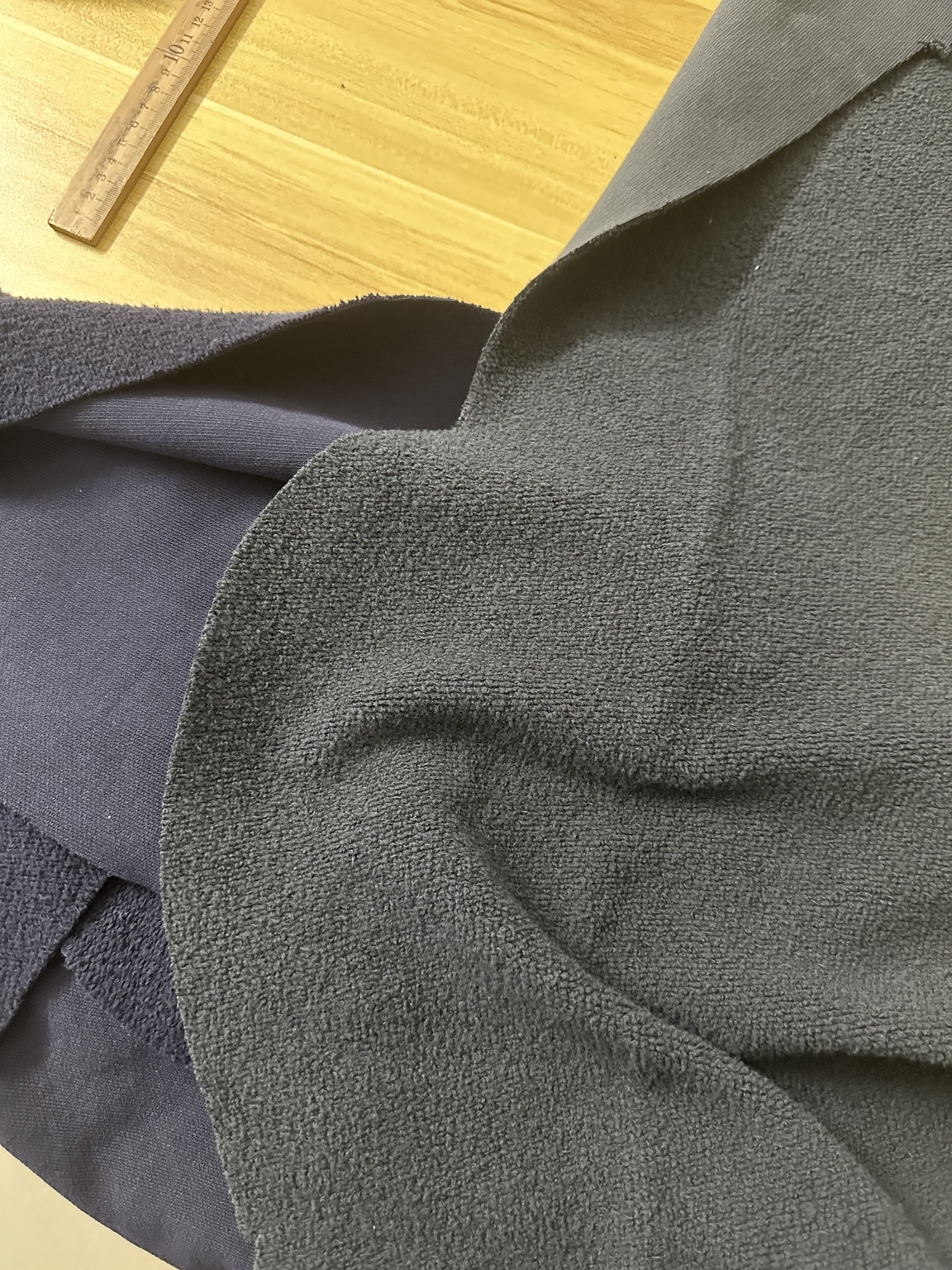
“Good cotton” is not a complete fabric specification. Confirm composition, construction, weight, stretch, hand feel, surface and how the fabric changes after washing. If you do not know the technical terms, send a reference garment or a close-up photo and describe the feeling you want.
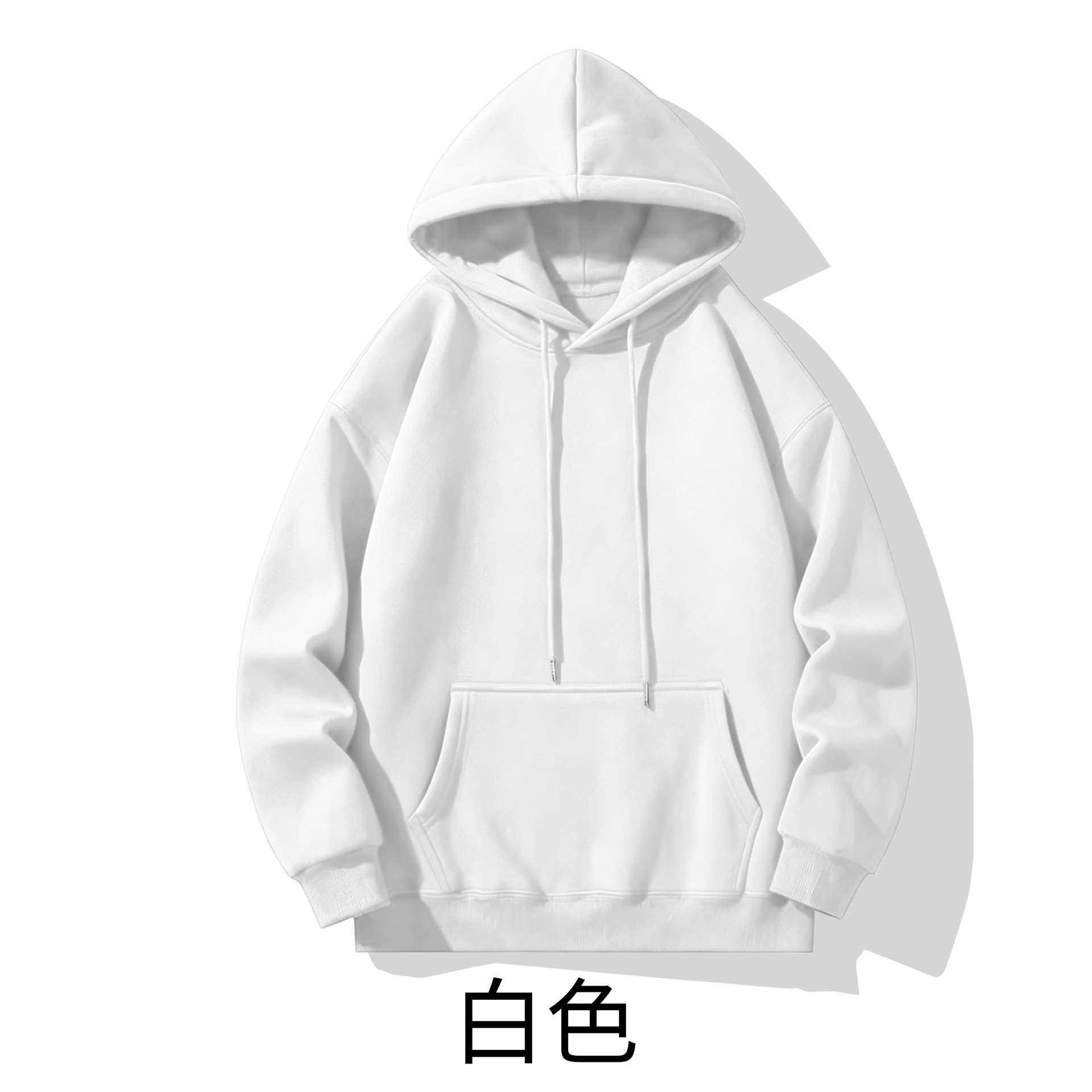
For a hoodie, also confirm whether the fabric is brushed or unbrushed, the expected shrinkage, rib quality and whether the finished weight is suitable for your market.
4. What should you send before sampling?
You do not need a perfect tech pack to start a conversation. Send the product type, reference photos, target quantity, colour direction, logo or artwork, delivery country and any important measurements. Mark the details that are fixed and the details you are open to changing.
YILI can help organise an early brief, clarify missing information and use 3D development to review proportions or artwork placement before a physical sample. The physical sample remains the final check for fabric, measurements and workmanship.
5. How long should sampling and bulk production take?
Ask for a schedule with clear starting conditions. YILI’s typical sample development is about 5–7 working days after the product details and materials are confirmed. Bulk production is commonly around 15–20 days after sample approval and material confirmation.
These are working estimates, not a promise that ignores complexity. Custom fabric, special washing, embroidery, multiple revisions and peak seasons can affect the timeline. A reliable supplier tells you what the estimate depends on.
6. Can one partner handle decoration and finishing?
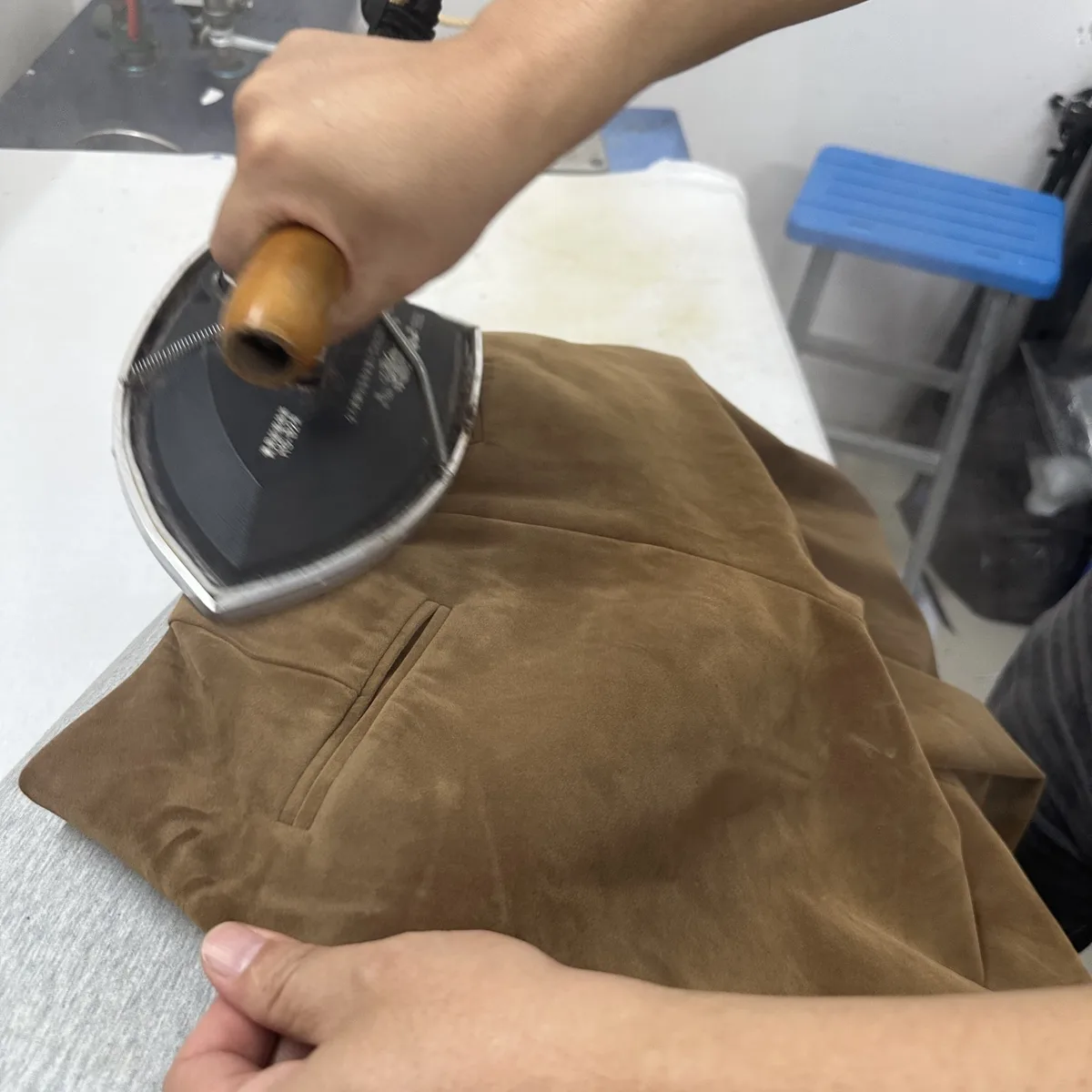
Small brands often lose time when sewing, printing, embroidery, washing, labels and packaging are split between several suppliers. Ask whether the factory can coordinate the full route and who is responsible for checking the final result.
YILI supports custom labels, packaging, printing, embroidery and garment washing, so the development brief can stay connected from sample to bulk order.
7. How does the factory control quality before shipping?
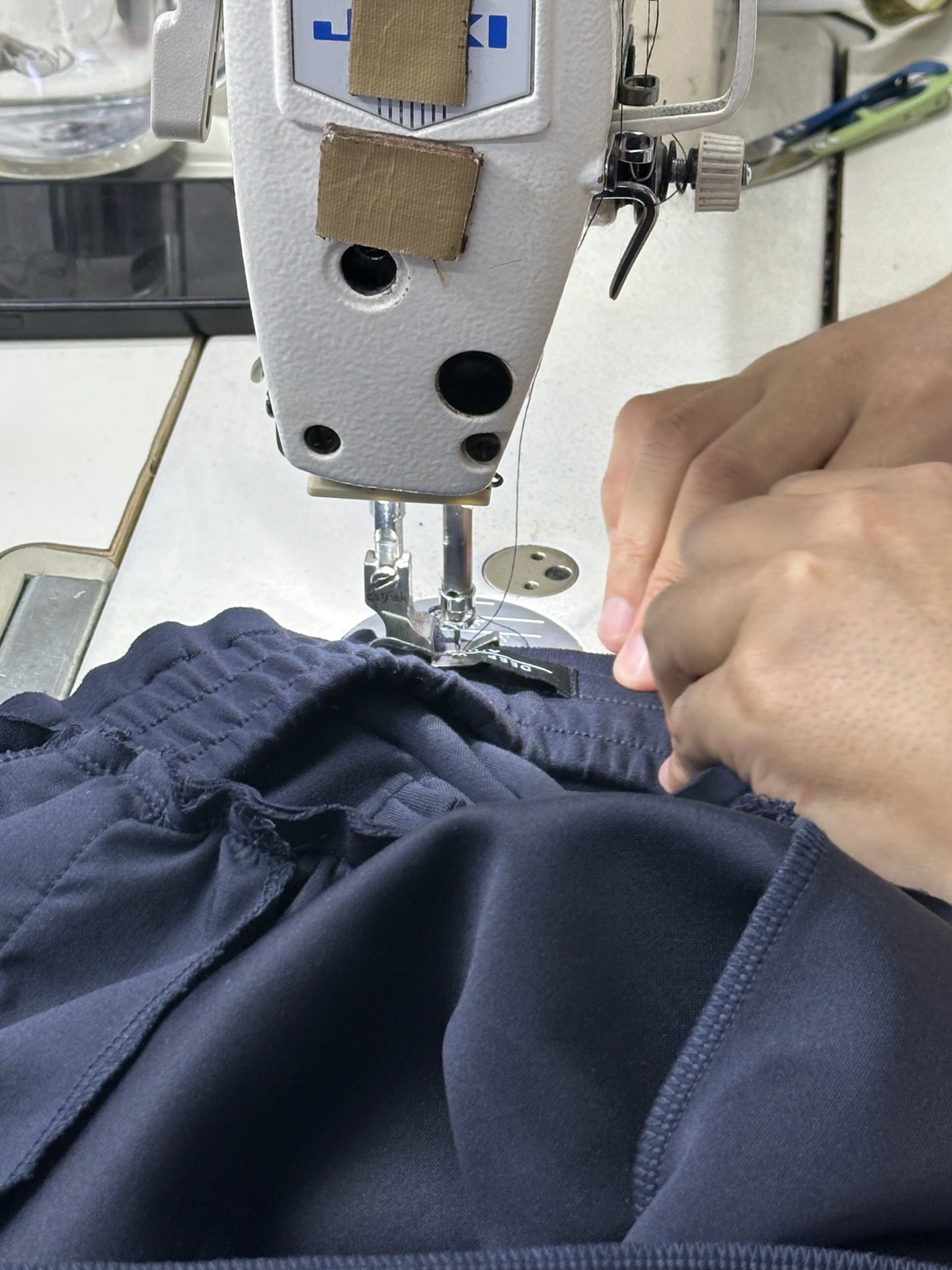
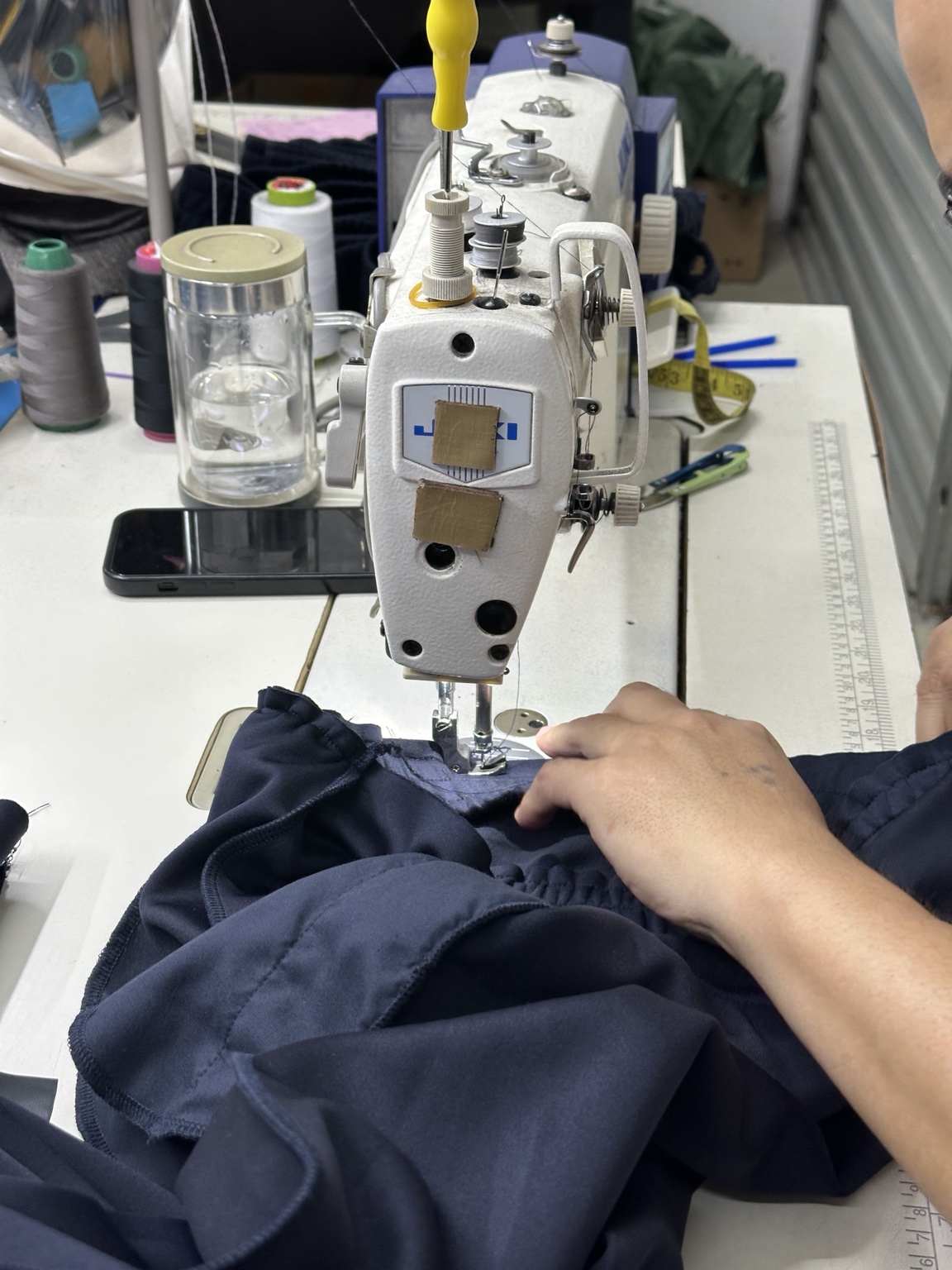
Do not ask only “Can you guarantee quality?” Ask what is checked and when. A useful quality process should cover incoming materials, in-line sewing, decoration, final measurements, labels, trims, finishing and packing.
Before bulk production, agree on the approved sample, measurement tolerance, colour standard, artwork placement and what happens if an item does not meet the agreed standard.
8. What exactly is included in the quotation?
Ask the factory to separate fabric, cutting and sewing, printing or embroidery, washing, labels, packaging, sample fees, shipping and any tax or payment fees. Confirm the currency, payment stages and whether the quote changes after a revision or quantity change.
Comparing a complete quotation is more useful than choosing the lowest unit price. Hidden steps become expensive when they appear after your launch date is fixed.
9. Can the factory communicate in a way a small brand can manage?
Small brands need clear updates, not a long chain of unknown subcontractors. Ask who your contact is, how approvals are recorded and how quickly questions are normally answered. Send the same brief to several manufacturers and compare the quality of their questions, not just the speed of their quote.
10. Can the factory support your next order?
Your first order may be small. The right partner should still be able to keep the approved fabric, pattern, measurements and finishing notes so a successful style can be repeated or improved. Ask how they handle repeat orders and what information is saved for the next production run.
Common mistakes small brands can avoid
- Choosing a factory only because its first quote is the lowest.
- Confirming bulk production before approving a physical sample.
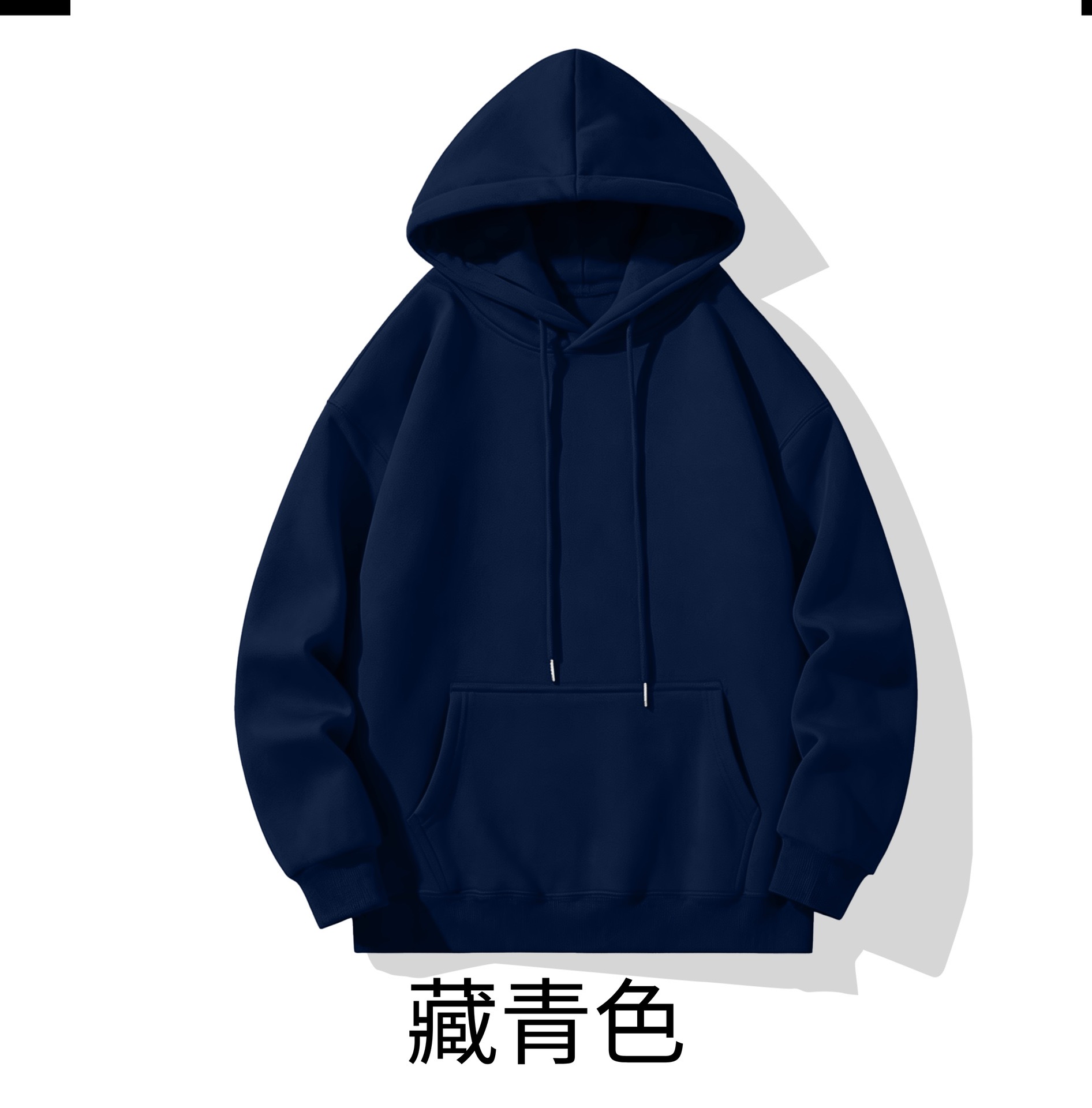
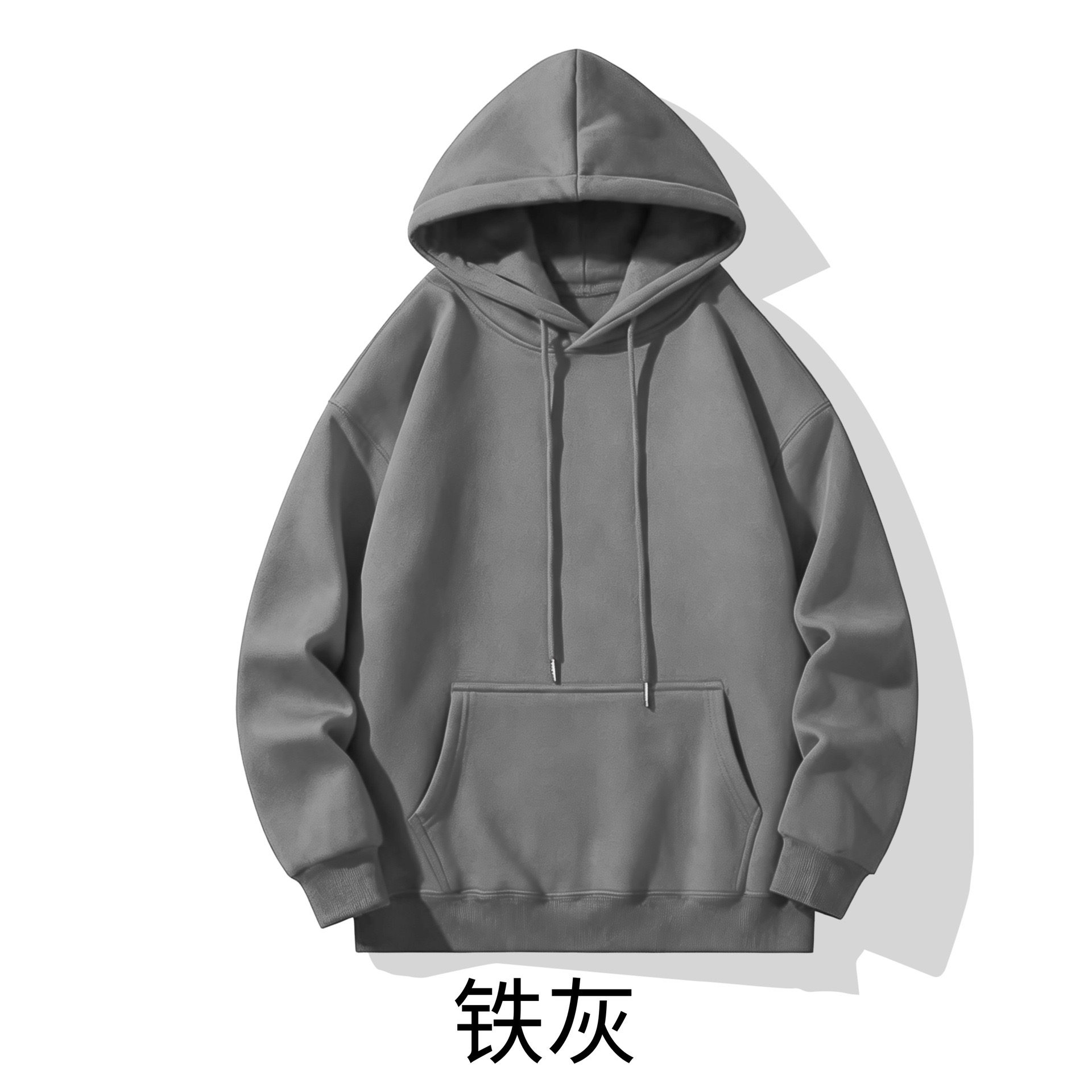
- Sending one colour name without a fabric or colour reference.
- Assuming MOQ applies to the whole order instead of each style or colour.
- Leaving labels, packaging, washing and shipping out of the cost calculation.
- Starting production without a written measurement and quality standard.
Why small brands choose YILI
YILI is built for independent brands, designers and start-ups that need a practical path from concept to production. We combine product development, fabric discussion, sampling, printing, embroidery, garment washing, custom labels and quality control in one connected workflow.
- Small-batch friendly: discuss a realistic first order instead of forcing an oversized commitment.
- Clear development: use references, fabric swatches and 3D previews to reduce uncertainty before sampling.
- Sample-to-bulk continuity: keep approved measurements, materials and finishing details connected.
- Direct communication: receive a clear route for questions, approvals and production updates.
- Built for growth: start with a controlled launch and repeat the styles that your customers respond to.
What to send for a useful first quote
Send your product type, reference images, target quantity, colour direction, artwork or logo, preferred fabric feel, delivery country and postcode. If you are unsure about any technical detail, say so. That is exactly what the first development conversation is for.
Want to compare your project with a practical production route? Send YILI your brief on WhatsApp ↗ or email yee@yiliclothing.com .